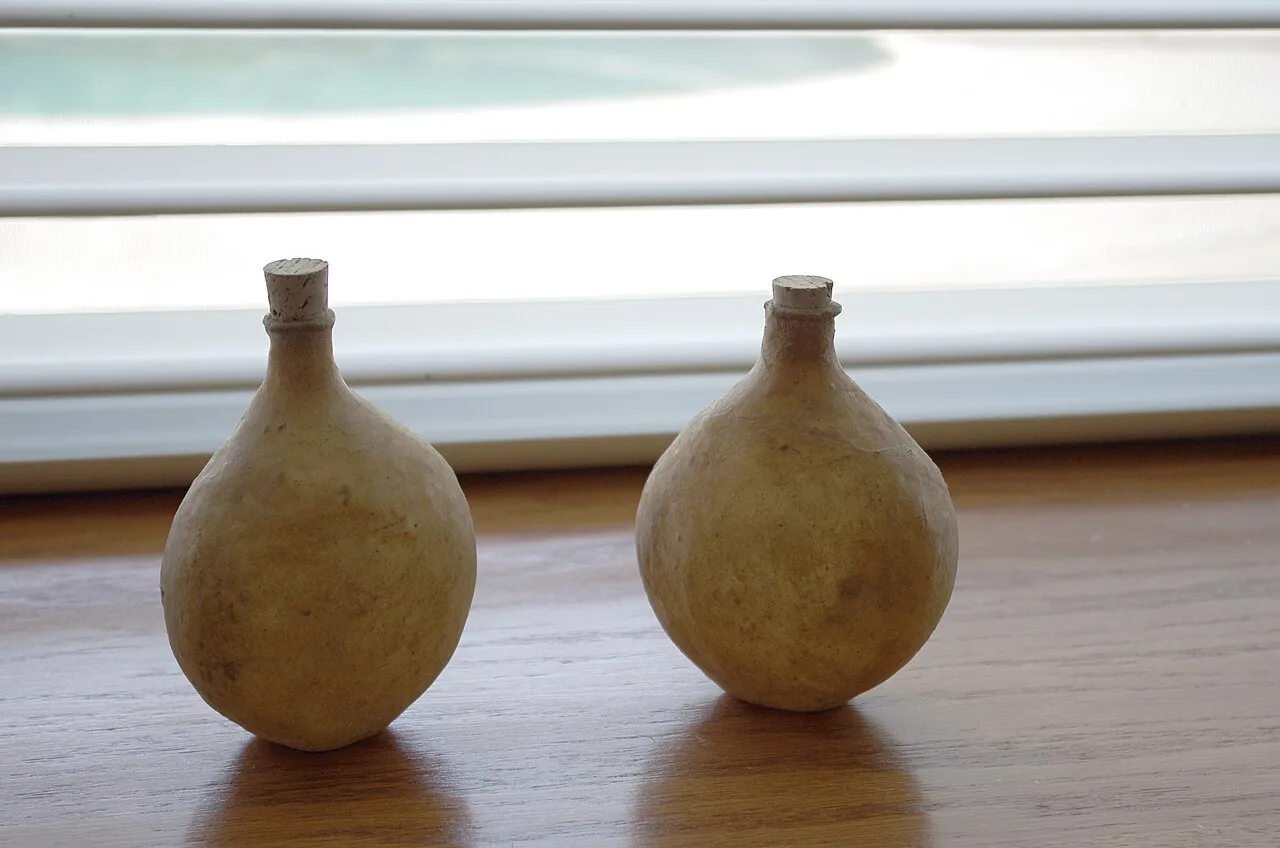
Earth Aroma captured in a bottle straight from Kannauj.
TL;DR: Mitti attar, or “earth attar”, is a traditional Indian perfume from Kannauj in Uttar Pradesh. It captures the smell of wet earth after the first monsoon rain. Artisans traditionally distil baked clay in a copper still into a sandalwood oil base, then age the attar for weeks or months.
Mitti attar, also called “earth attar”, is a traditional Indian perfume made by distilling clay into a sandalwood oil base. Its fragrance captures the smell of wet earth after the first rain and brings back memories of the monsoon. For many people it is a soothing, calming scent that takes you straight to the lanes of Kannauj, a town long known for its fine perfumes.
What is mitti attar?
Instead of flowers, mitti attar is made from hard-baked flat clay bricks or mud pots (kulhads). The result is a unique, traditional fragrance that evokes the earthy smell of the first rain. It is used in perfumes and cosmetics, and it has cultural significance linked to Indian traditions and monsoon celebrations.
Why is Kannauj famous for attar?
Kannauj, in Uttar Pradesh, is often called the perfume capital of India. Attar-making has been centred there for centuries, and the skills are passed down through generations. Kannauj perfumes received a Geographical Indication (GI) tag in 2014. Mitti attar is one of the monsoon fragrances associated with the town.
How is mitti attar made?
Making mitti attar needs great care and the guidance of specialists. The process has these steps.
- Selecting the clay: The first step is to choose the right clay, usually collected from areas known for their distinct fragrance after rainfall.
- Cleaning and soaking: The clay is washed to remove impurities and foreign particles. It is then soaked in water for several hours or overnight so that it absorbs moisture.
- Distillation: A copper still (deg) is used. The soaked clay is mixed with water, sandalwood oil or another carrier oil is added, and the mixture is heated gently. The aromatic vapours are collected and condensed in a receiver, and the fragrance of the clay mixes with the oil to create the attar.
- Ageing: The attar is left to age, usually for several weeks to a few months. During this time the fragrance matures and becomes richer and more refined.
- Bottling: Once it has aged enough, the attar is carefully bottled and sealed to preserve its fragrance.
Why is mitti attar considered an art form?
The traditional process is time-consuming and needs expertise and precision to capture the true earthy fragrance. Like other traditional attars, mitti attar is considered an art form that has been passed down through generations in certain regions of India.
Sources and further reading
- Kannauj, Wikipedia (in English)
- Mitti attar, Wikipedia (in English)
Image credit: “Camel skin Perfume Bottles from Kannauj” by David Prasad, via Wikimedia Commons, licensed under CC BY-SA 2.0.
Frequently asked questions
What is mitti attar?
Mitti attar, or earth attar, is a traditional Indian perfume that captures the smell of wet earth after the first monsoon rain.
Where is mitti attar made?
It is associated with Kannauj in Uttar Pradesh, long known for its attars and perfumes.
What is mitti attar made from?
Clay is distilled with water in a copper still, and sandalwood oil or another carrier oil is added so the fragrance of the clay mixes with the oil.
How long does mitti attar take to mature?
After distillation it is usually left to age for several weeks to a few months, which makes the fragrance richer and more refined.
Why is mitti attar linked to the monsoon?
Its scent resembles the smell of wet earth after the first rain, so it recalls the monsoon season and is associated with Indian traditions and monsoon celebrations.