India’s Timeless Heritage: Most Precious and Oldest Museums
A guide to nine of India’s oldest and most important museums, from the Indian Museum in Kolkata (1814) to the Salar Jung Museum in Hyderabad.

An artifact is a physical object made or modified by human beings that provides evidence of past human activity or culture. Artifacts can range from tools, weapons, and other utilitarian objects, to decorative items, religious artifacts, and works of art. In archaeology, artifacts are carefully studied to help reconstruct the cultural, social, and economic aspects of past societies. Artifacts can also be the products of natural processes that have been shaped or modified by humans, such as fossils or geological specimens.

A guide to nine of India’s oldest and most important museums, from the Indian Museum in Kolkata (1814) to the Salar Jung Museum in Hyderabad.

Is art a good investment? Learn the benefits, risks and practical steps for starting an art collection as a long-term asset.
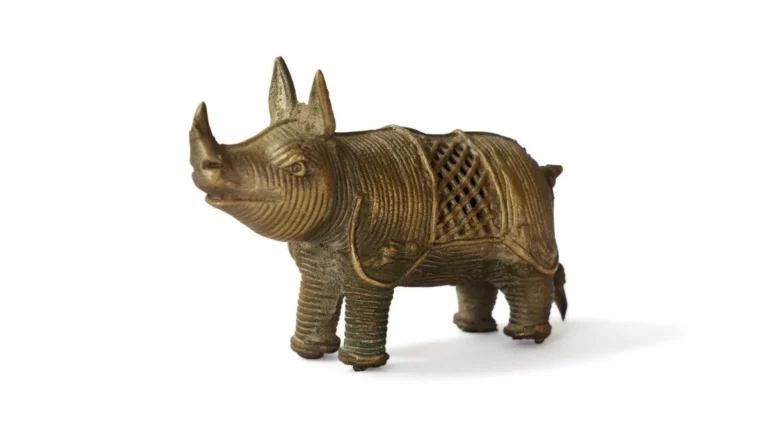
How India’s 4,000-year-old Dhokra lost-wax metal casting is made, where it comes from, why every piece is unique and how to support it.

Dindigul in Tamil Nadu is Lock City: its handcrafted locks with clever mechanisms won a GI tag in 2019, but the craft is under pressure.
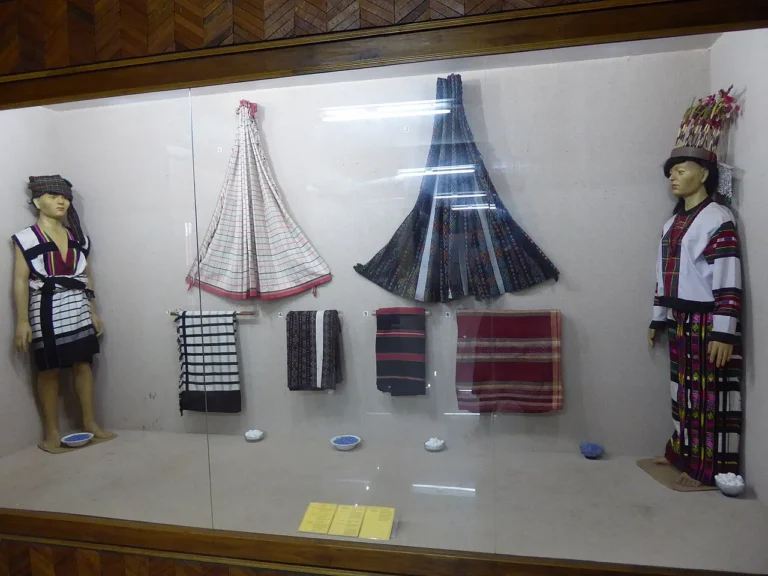
Puanchei is the colourful handwoven wrap-around cloth of Mizo women, worn at weddings and festivals and GI-tagged in 2019.
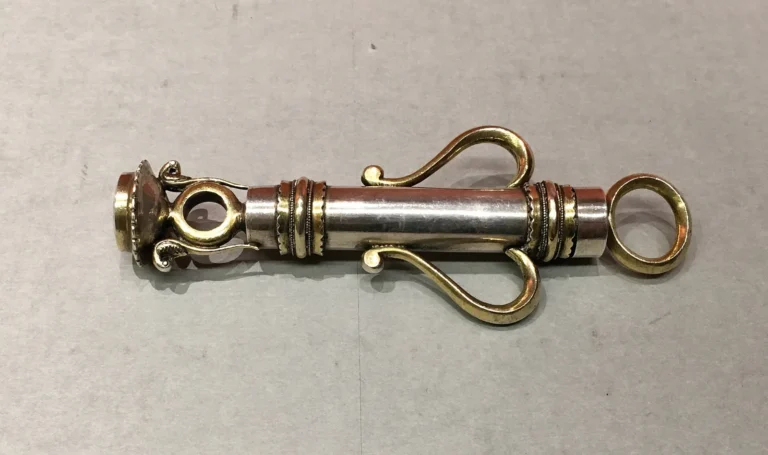
The pichkari is the hand-held water squirter of Holi, used for centuries, from bamboo and horn to metal and plastic.
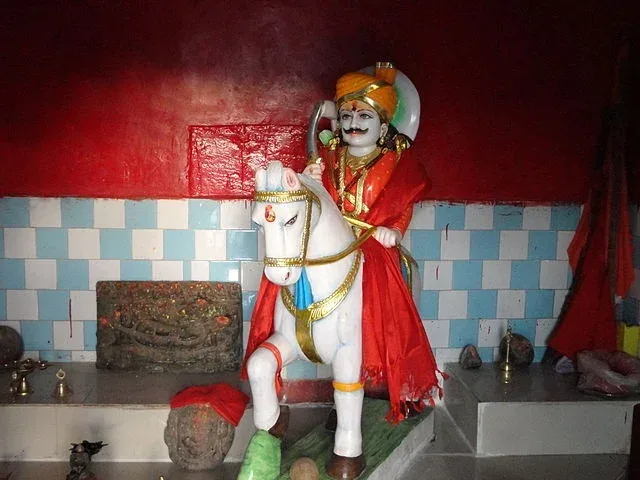
Kumaon’s folk art spans Aipan painting, Golu Devta images, folk songs, dances and drama from the Himalayas of Uttarakhand.
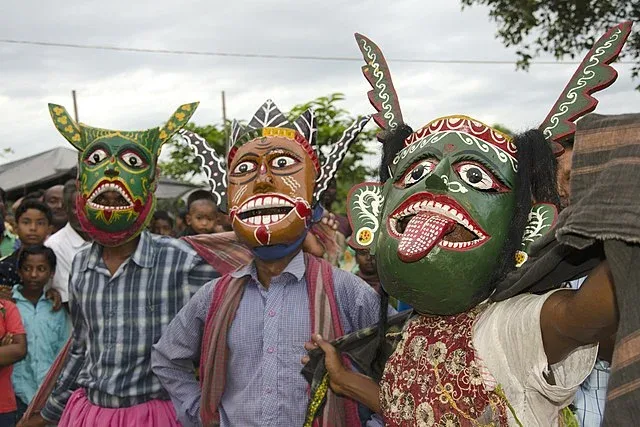
The wooden Gomira mask of Kushmandi, West Bengal, is a hand-carved, GI-tagged folk craft worn in ritual dance.
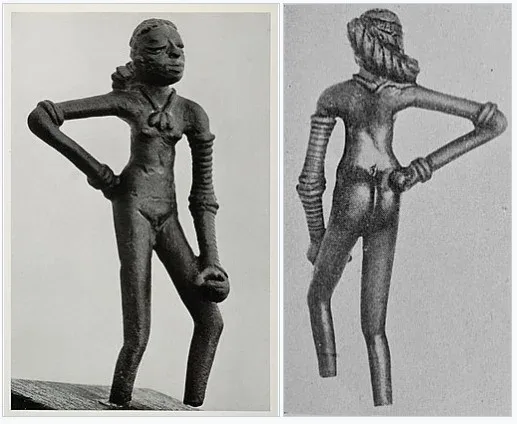
Lost wax casting melts a wax model out of a mould and replaces it with metal, a method used for thousands of years.
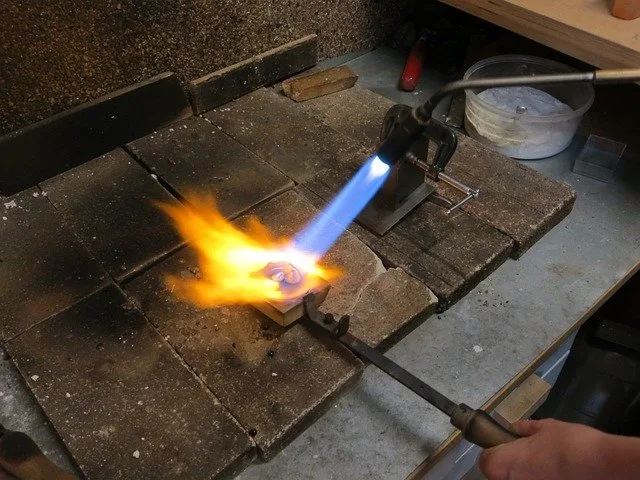
An introduction to silver craft: its history, Indian traditions such as filigree and Bidriware, main types and why silver is loved by craftspeople.