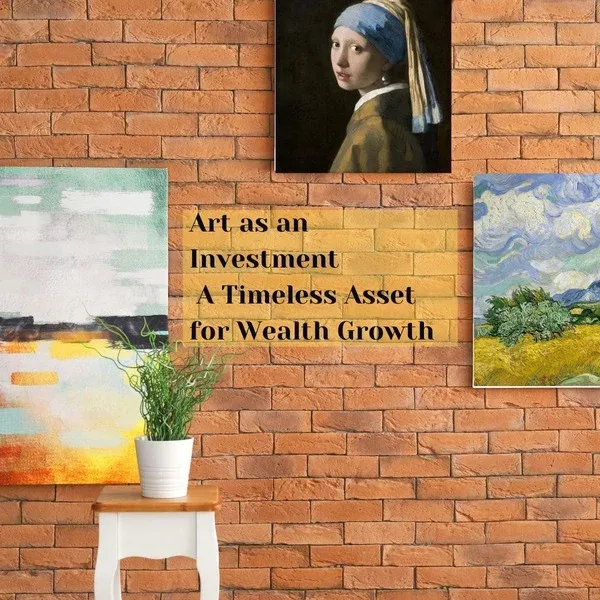
Art as an Investment: A Timeless Asset for Wealth Growth
Is art a good investment? Learn the benefits, risks and practical steps for starting an art collection as a long-term asset.
Sculpture is a form of visual art that involves the creation of three-dimensional objects, either by carving, modeling, casting, or assembling materials such as stone, metal, wood, glass, or clay. It can be freestanding or attached to a base, wall, or other surface, and can range in size from small figurines to monumental public works. Throughout history, sculpture has played a significant role in many cultures and has been used for religious, political, and decorative purposes.

Is art a good investment? Learn the benefits, risks and practical steps for starting an art collection as a long-term asset.

Krishna’s 16 kalas and 13 famous artworks of Krishna, from Laddu Gopal bronzes to Nathdwara paintings and Kalamkari textiles.

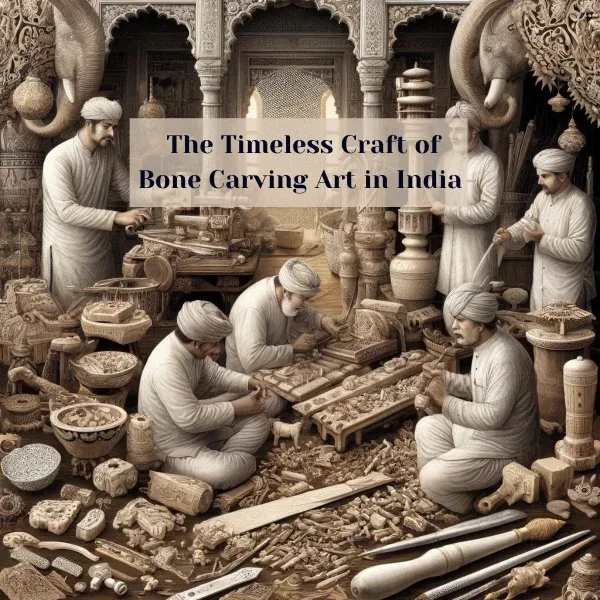
A guide to bone carving in India: its history, materials, techniques, regional centres such as Sambhal, Jaipur and Murshidabad, and how artisans are adapting.

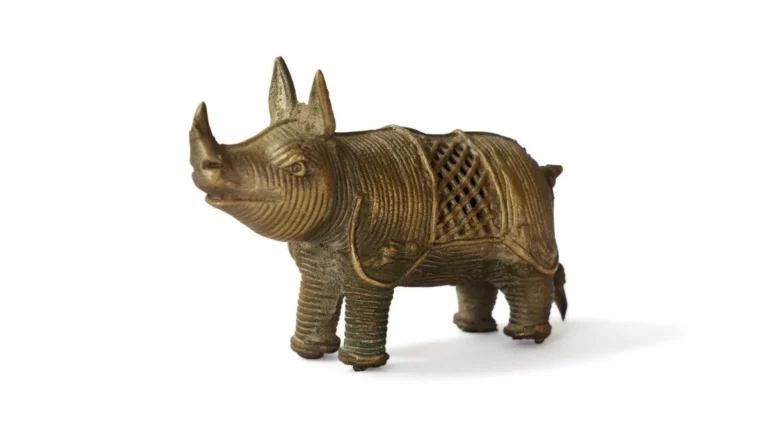
How India’s 4,000-year-old Dhokra lost-wax metal casting is made, where it comes from, why every piece is unique and how to support it.

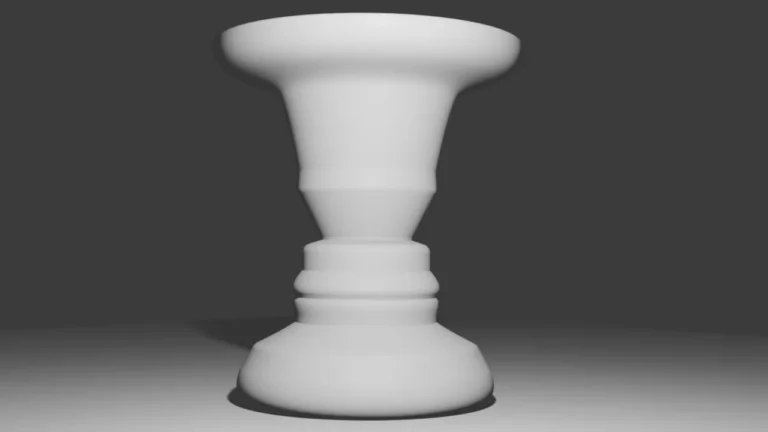
Negative space is the area around an artwork’s subject, and it creates balance, contrast, movement and depth.

Allagadda stone carving is a GI-tagged sculpture craft of Andhra Pradesh, carved from sandstone and black stone with traditional tools.

Nataraja, Shiva as the King of Dance, symbolises creation, destruction and the triumph of knowledge over ignorance.

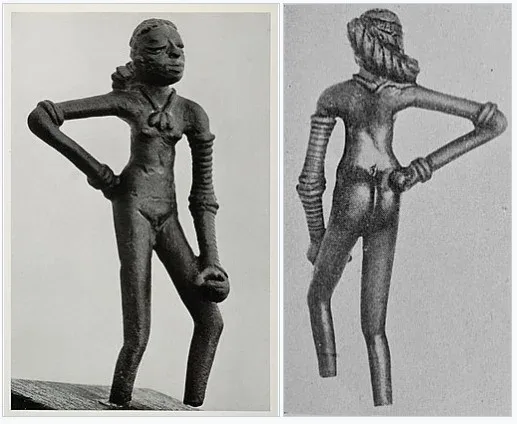
The bronze Dancing Girl of Mohenjo-daro, about 10.5 cm tall and made by lost wax casting, is a masterpiece of Indus Valley art.

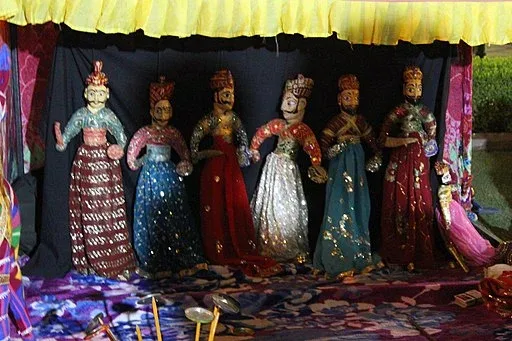
Kathputli is Rajasthan’s traditional string-puppet art, with wooden puppets, folk tales and a growing need for preservation.