India’s Timeless Heritage: Most Precious and Oldest Museums
A guide to nine of India’s oldest and most important museums, from the Indian Museum in Kolkata (1814) to the Salar Jung Museum in Hyderabad.

Antiques are defined as objects that are at least a certain years old and have cultural, historical, or artistic significance. The number of years is defined differently in different countries. They are often considered valuable and are sought after by collectors, historians, and enthusiasts.
Antiques can be found in a variety of forms, including furniture, art, books, coins, jewelry, pottery, and more. They are often characterized by their unique style, craftsmanship, and historical context.
Collecting antiques is a popular hobby for many people, as it provides a window into the past and allows individuals to learn about history and culture through the objects that were used during those times. Many antique collectors enjoy the thrill of the hunt, scouring flea markets, auctions, and estate sales for rare and valuable items.
Antiques can also be viewed as an investment, as their value often appreciates over time. However, it is important to note that the value of an antique can fluctuate depending on a variety of factors, such as its condition, rarity, and historical significance.
In addition to being valuable and interesting, antiques also play an important role in preserving our cultural heritage. They provide a tangible link to the past and allow us to connect with the people, places, and events that have shaped our world.

A guide to nine of India’s oldest and most important museums, from the Indian Museum in Kolkata (1814) to the Salar Jung Museum in Hyderabad.

Is art a good investment? Learn the benefits, risks and practical steps for starting an art collection as a long-term asset.
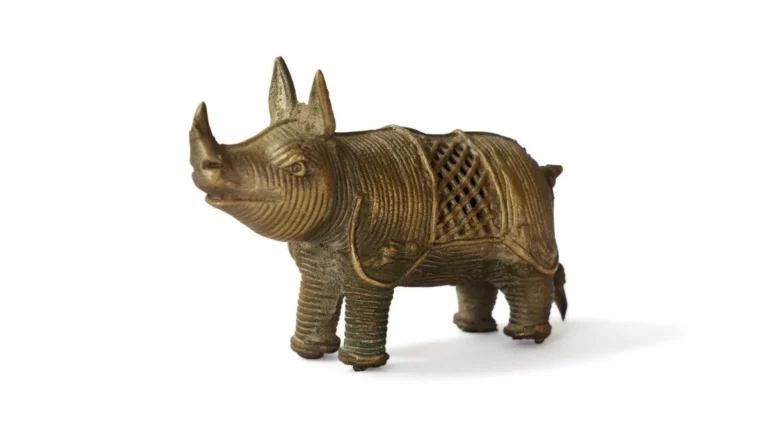
How India’s 4,000-year-old Dhokra lost-wax metal casting is made, where it comes from, why every piece is unique and how to support it.
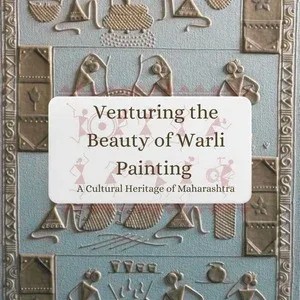
Warli painting is the tribal art of Maharashtra: simple white shapes on mud walls showing nature, daily life and festivals.

The Puneri Pagadi is a traditional Marathi headgear from Pune, a symbol of pride and honour with a GI tag since 2009.
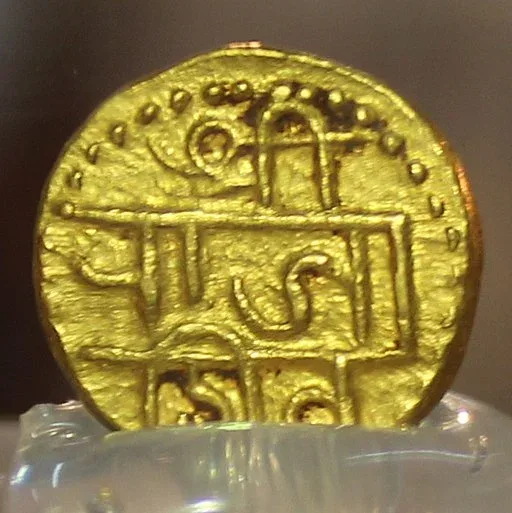
Shivrai coins, from the copper Shivrai to the gold Shivrai Hon, carry the history of Shivaji Maharaj and the Maratha Empire.