India’s Oldest Museums: Eight Collections Worth Visiting
In short: India’s oldest museums, such as the Indian Museum in Kolkata (1814) and the Government Museum in Chennai (1851), preserve centuries of art, archaeology and history. This guide takes you through eight of the country’s most important museums and what makes each one special.
“The best introduction to art is to stroll through a museum. The more art you see, the more you’ll learn to define your own taste.” – Jeanne Frank
This article covers some of India’s oldest and most important museums, from the Indian Museum in Kolkata, opened in 1814, to the Salar Jung Museum in Hyderabad, opened in 1951. Their collections range from Ashokan-era pillar capitals to Chola bronzes, Rajasthani textiles and European oil paintings.
How did India’s museum movement begin?
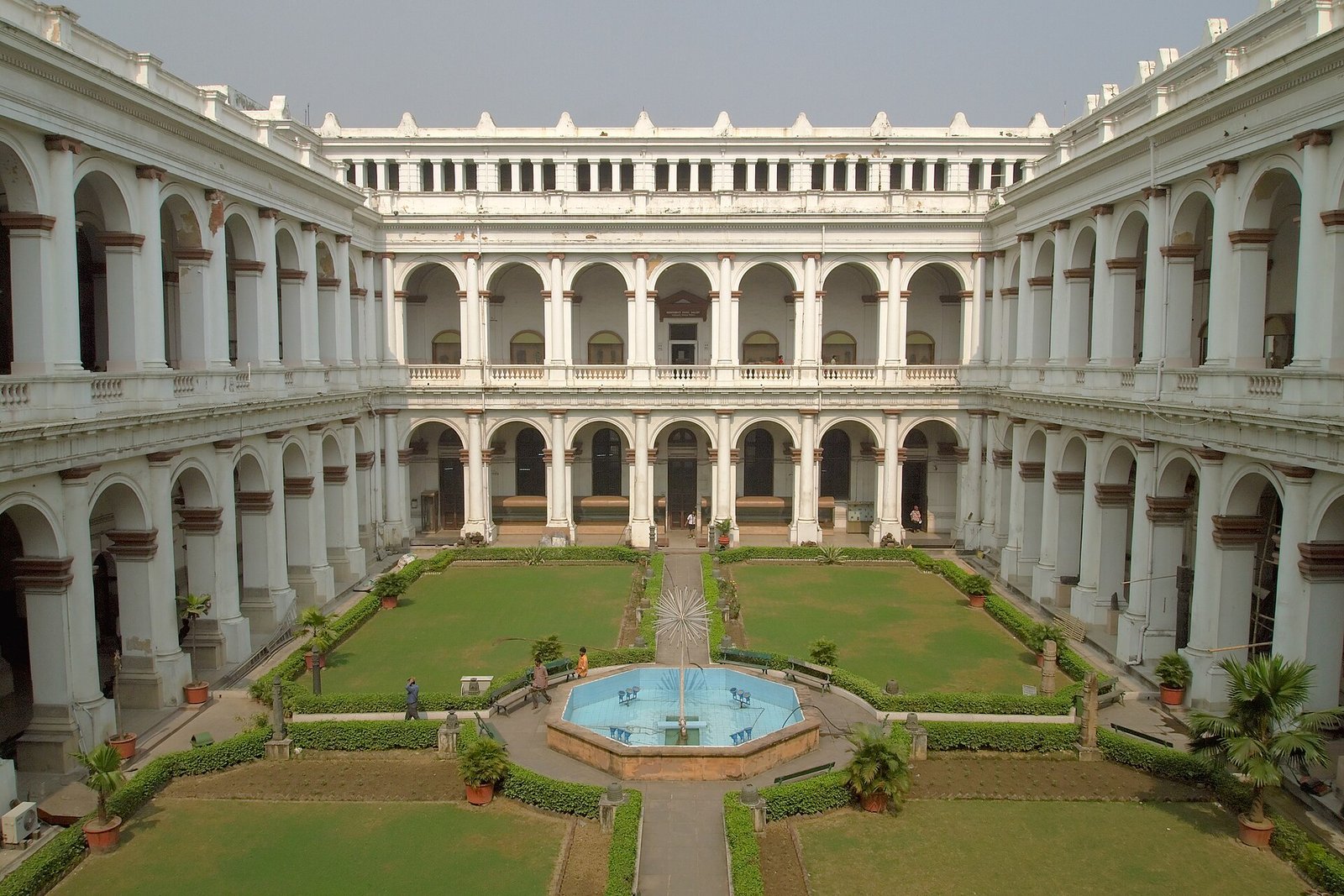
India’s museum story is usually traced to Kolkata. The Indian Museum was founded in 1814 at the Asiatic Society of Bengal, a scholarly society set up in 1784, and it is widely described as India’s oldest museum. Its present building was completed in 1875. Historians point out that the early museums were state institutions created under British rule, built around objects gathered by scholars and officials.
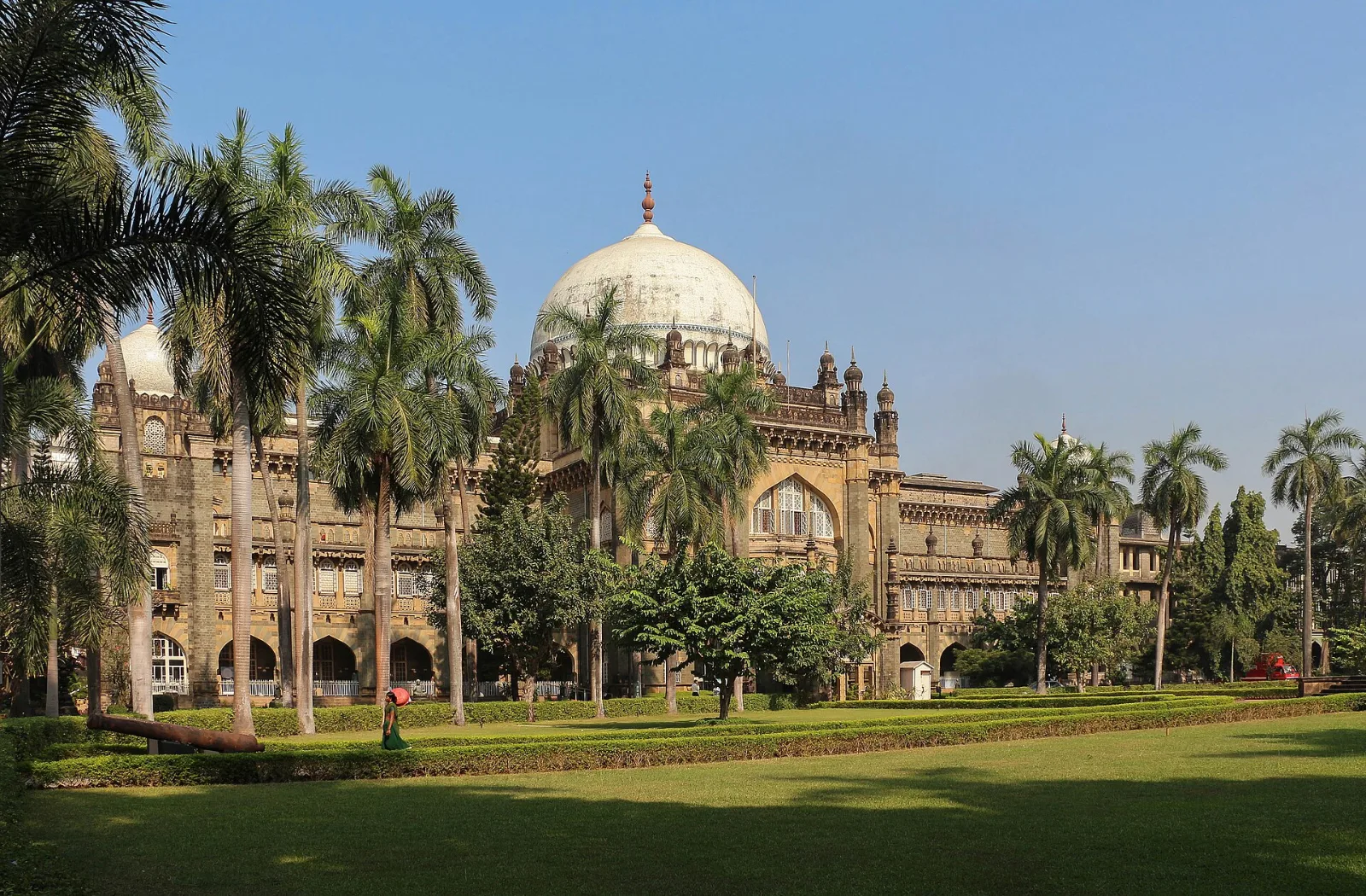
The Madras Museum in Egmore, Chennai, followed in 1851 and is counted as India’s second oldest government museum; the museum marked its centenary in 1951. In Mumbai, the foundation stone of the Prince of Wales Museum of Western India was laid in November 1905, but the museum opened to the public only in January 1922. It was renamed Chhatrapati Shivaji Maharaj Vastu Sangrahalaya in 2001.
After Independence, attention turned to national and collector-based museums. The National Museum began working in New Delhi in August 1949, at Rashtrapati Bhavan. Its own building was started in 1955 and the first phase was inaugurated in December 1960. In Hyderabad, the Salar Jung Museum, built on the collection of Salar Jung III, was inaugurated by Jawaharlal Nehru in 1951 and moved to its present site at Afzalgunj in 1968. Today the country has hundreds of museums, but these were the early steps.
Timeline
How India’s museums began
- 1784 The Asiatic Society of Bengal, a scholarly society, was set up.
- 1814 The Indian Museum was founded at the Society in Kolkata; it is widely described as India’s oldest museum.
- 1851 The Madras Museum in Egmore, Chennai, followed, counted as India’s second oldest government museum.
- 1905 to 1922 The Prince of Wales Museum in Mumbai: foundation stone in November 1905, opened to the public in January 1922.
- August 1949 The National Museum began working in New Delhi, at Rashtrapati Bhavan.
- 1951 The Salar Jung Museum in Hyderabad was inaugurated by Jawaharlal Nehru.
Which are the oldest and most precious museums in India?
Here are eight museums that every lover of art and history should know, roughly in order of their founding.
The Indian Museum, Kolkata (1814)
Dating back to 1814, the Indian Museum in Kolkata is the oldest museum in India and one of the biggest. Its galleries hold fossils, ancient sculptures and artefacts that speak of dynasties, empires and the early history of Buddhism. Visitors can see Ashokan-era pillar capitals, and an Egyptian mummy that carries you to another ancient world.
Government Museum, Chennai (1851)
Established in 1851, this is India’s second-oldest museum and focuses on the history and art of South India. It has extensive archaeological finds and a large collection of bronzes, especially Chola bronzes. Its natural history section is equally interesting, reminding visitors of the role nature plays in India’s folklore and spirituality.
Napier Museum, Thiruvananthapuram (1880)
Rebuilt in 1880 on the site of an earlier Travancore museum, the Napier Museum is built in the Indo-Saracenic style, with a Gothic-style roof and minarets. It is known for its collection of Kerala art, from bronze idols to old ornaments.
Albert Hall Museum, Jaipur (1887)
In the Pink City stands the Albert Hall Museum, opened in 1887 in an Indo-Saracenic building. Inside are traditional Rajasthani paintings, jewellery and textiles. Its best-known exhibit is an Egyptian mummy.
Victoria Memorial Hall, Kolkata (1921)
Completed in 1921, the Victoria Memorial Hall is a monument to the era of the British Raj. Its marble building combines Mughal and British styles. Inside, British-era paintings, manuscripts and photographs record the history of colonial India.
Chhatrapati Shivaji Maharaj Vastu Sangrahalaya, Mumbai (1922)
Formerly known as the Prince of Wales Museum, this museum opened in 1922 and combines Indian and Western architectural styles. Its galleries are lined with relics from the Gupta and Maurya periods, along with Tibetan and Nepali religious art.
National Museum, New Delhi (1949)
In central Delhi, the National Museum traces the history of Indian art. Established in 1949, it preserves artefacts that span about 5,000 years. Highlights include Chola-period bronze sculptures and miniature paintings of courtly life, many of them showing stories of devotion, war or romance.
Salar Jung Museum, Hyderabad (1951)
Established in 1951, the Salar Jung Museum holds the legacy of Nawab Mir Yousuf Ali Khan, Salar Jung III. His passion for collecting gave us a vast museum with everything from European oil paintings to Persian carpets and antique clocks. A well-known exhibit is the sculpture “Veiled Rebecca”, an Italian marble masterpiece with a delicately carved veil.
Museums
What each museum is known for
- Indian Museum, Kolkata (1814) Fossils, ancient sculptures, Ashokan-era pillar capitals and an Egyptian mummy.
- Government Museum, Chennai (1851) Archaeological finds and a large collection of bronzes, especially Chola bronzes.
- Napier Museum, Thiruvananthapuram (1880) Indo-Saracenic building with a Gothic-style roof, showing the art and culture of Kerala.
- Albert Hall Museum, Jaipur (1887) Rajasthani art, jewellery, textiles and an Egyptian mummy.
- National Museum, New Delhi (1949) Artefacts spanning about 5,000 years, including Chola-period bronzes and miniature paintings.
- Salar Jung Museum, Hyderabad (1951) European oil paintings, Persian carpets, antique clocks and the marble Veiled Rebecca.
Why does it matter to preserve these museums?
These museums hold everything from fossils and an Egyptian mummy to Chola bronzes, Persian carpets and antique clocks, and they keep these collections for future generations.
Frequently asked questions
Which is the oldest museum in India?
The Indian Museum in Kolkata, which dates back to 1814, is the oldest museum in India.
How did India’s museum movement begin?
It is usually traced to the Indian Museum in Kolkata, founded in 1814 at the Asiatic Society of Bengal. The Madras Museum in Chennai followed in 1851, and Mumbai’s Prince of Wales Museum opened in 1922. After Independence, the National Museum began in Delhi in August 1949, and the Salar Jung Museum opened in Hyderabad in 1951.
Which museum is the second oldest in India?
The Government Museum in Chennai, established in 1851, is India’s second-oldest museum.
Which museum in India has an Egyptian mummy?
The article mentions the Indian Museum in Kolkata and the Albert Hall Museum in Jaipur as museums with an Egyptian mummy.
What can you see at the Salar Jung Museum?
European oil paintings, Persian carpets, antique clocks and the Italian marble sculpture “Veiled Rebecca”, all collected by Salar Jung III.
Which museums showcase Indo-Saracenic architecture?
The Albert Hall Museum in Jaipur and the Napier Museum in Thiruvananthapuram are the examples described here, and the Victoria Memorial Hall in Kolkata also blends Mughal and British styles.
Sources and further reading
About / History of the Indian Museum, Indian Museum, Kolkata (Ministry of Culture).
Museums in India: past and future (Romila Thapar), Seminar magazine.
History, Chhatrapati Shivaji Maharaj Vastu Sangrahalaya.
History, National Museum, New Delhi (Ministry of Culture).
History of Salar Jung Museum, Salar Jung Museum.
- Indian Museum, Kolkata – Wikipedia (in English)
- Government Museum, Chennai – Wikipedia (in English)
Related reading
Image credit: Kolkata courtyard, “Indian Museum, Courtyard, Kolkata, India” by Vyacheslav Argenberg, via Wikimedia Commons, licensed under CC BY 4.0.
Image credit: Mumbai museum building, “Prince of Wales Museum, Mumbai 01” by Bernard Gagnon, via Wikimedia Commons, licensed under CC BY-SA 4.0.