Thangka Painting in Sikkim: Buddhist Scroll Art
Thangka painting is an old art that began outside Sikkim. Learn how it reached the state, who teaches it today, and how a thangka is made.

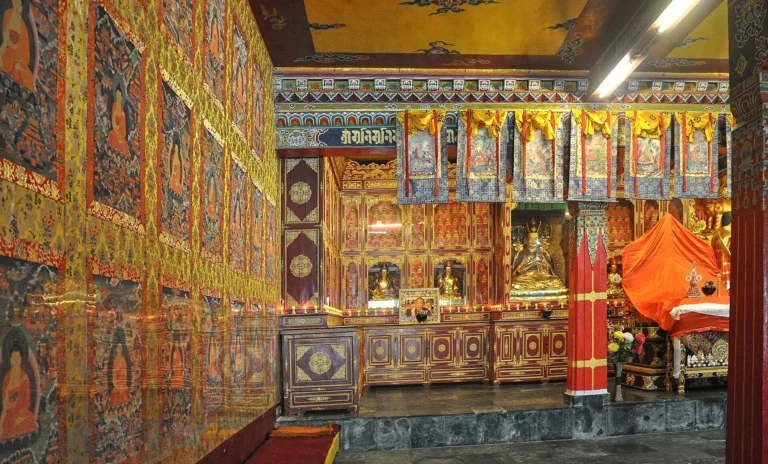
Thangka painting is an old art that began outside Sikkim. Learn how it reached the state, who teaches it today, and how a thangka is made.
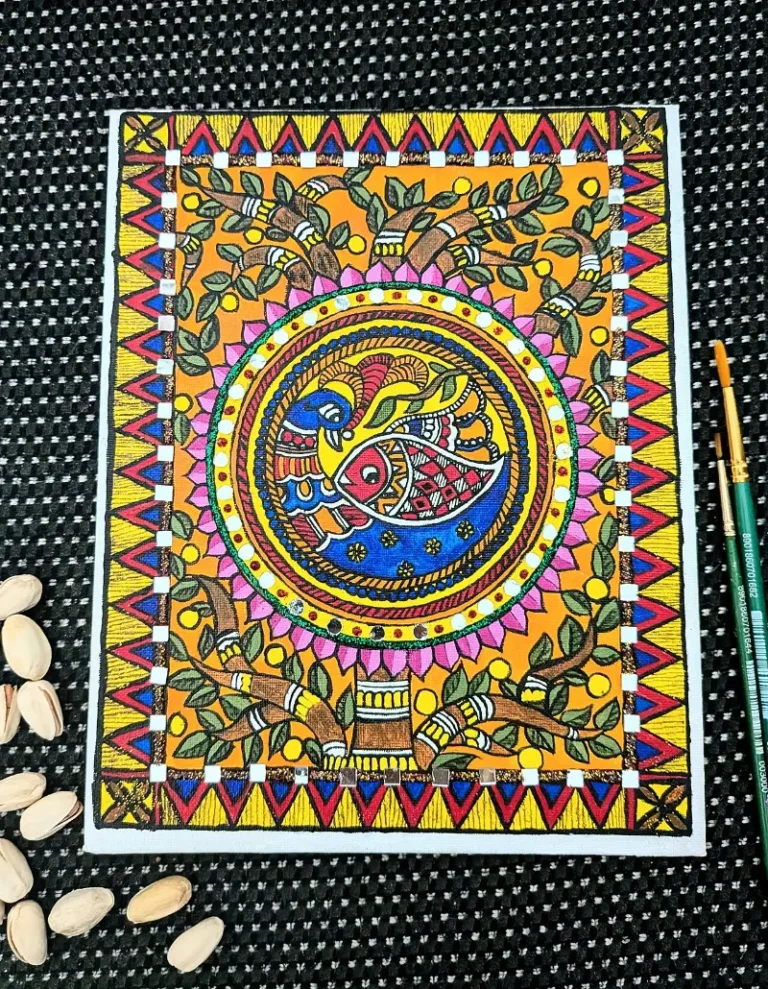
TL;DR: Madhubani, or Mithila painting, began as wall art made by women in homes in northern Bihar. Two other well-documented traditions grew in a similar everyday setting: Petrykivka painting in a Ukrainian village, inscribed by UNESCO in 2013, and amate painting on bark paper by Nahua artists in Mexico, which draws on an older Indigenous…
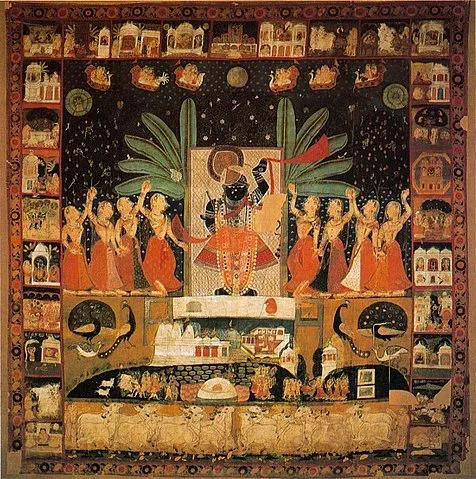
TL;DR: Genuine Indian folk paintings are built from brush, pigment and a prepared surface, so a magnifier usually shows ridges and wobbly lines, while a print shows a flat, regular dot pattern. Natural pigments, handmade paper or cloth, and GI registration are useful clues, but modern artists often use ready-made colours, and a signature can…
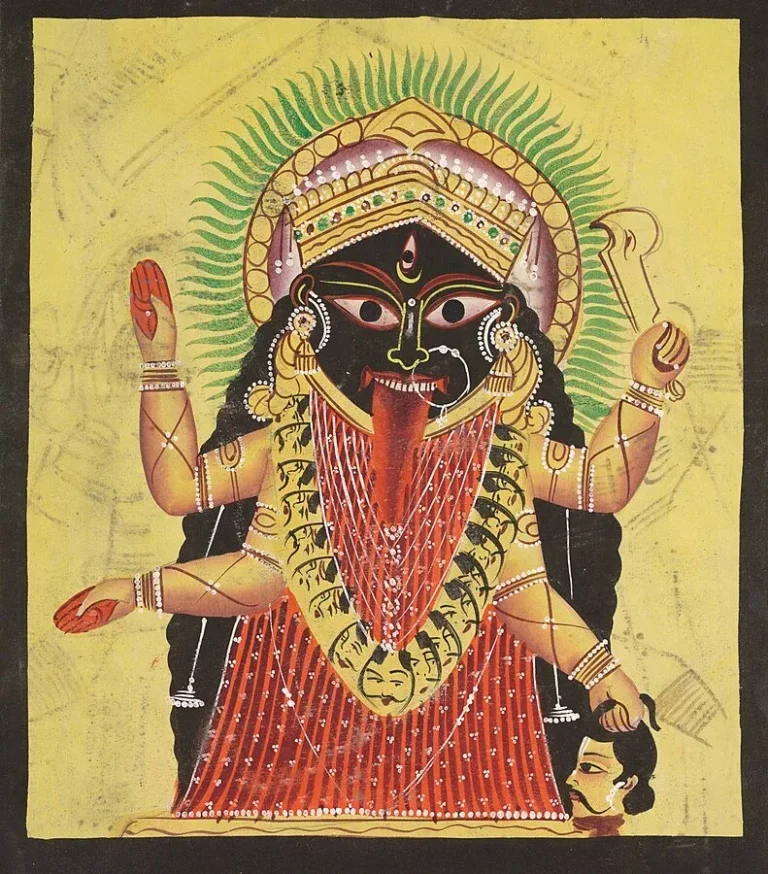
Kalighat painting, the bold folk art of 19th-century Kolkata: its Patua painters, gods and satire, signature style, decline and lasting legacy.

Indian art prices have climbed sharply at auction, led by records for Husain and Raja Ravi Varma, driven by wealth, global recognition and online bidding.
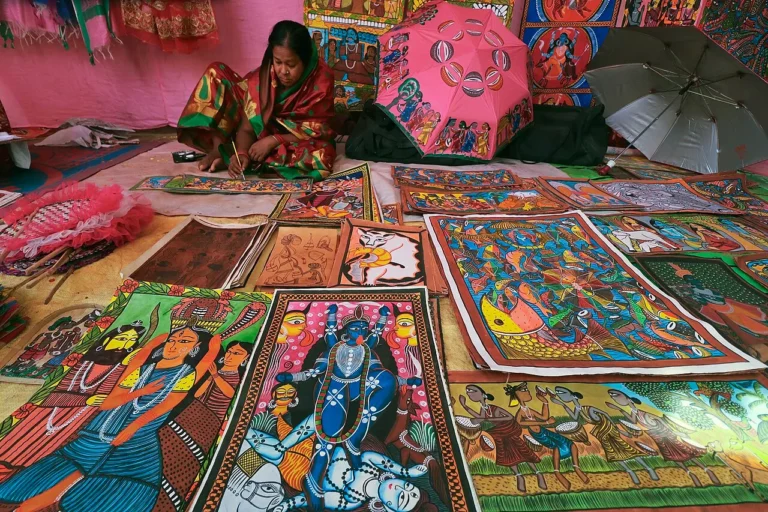
Bengali Patachitra is the scroll-painting tradition of West Bengal, where Patuas paint and sing stories from Hindu epics and folklore.
Madhubani painting is the best-known form of Maithili art from Bihar, famed for vivid colours, bold lines and stories of gods, nature and daily life.
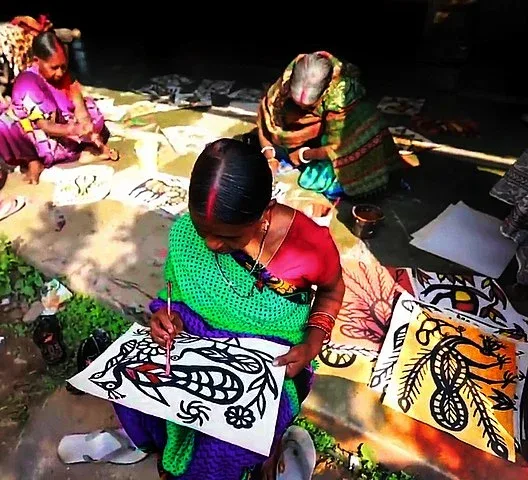
Sohrai and Khovar are Jharkhand’s tribal wall paintings, made by women with natural pigments to mark harvest and weddings.
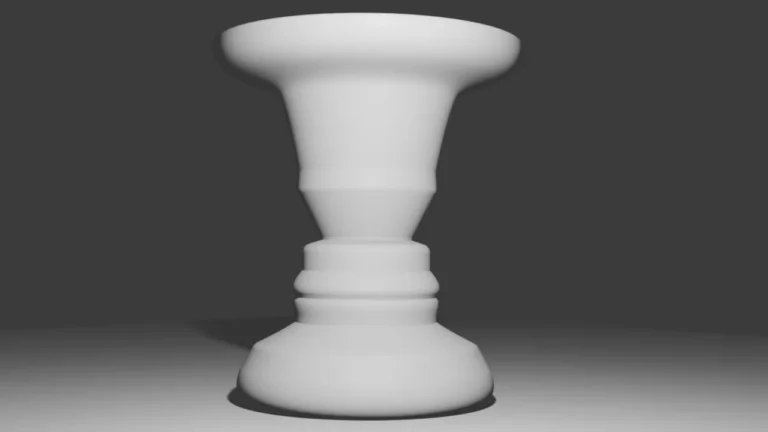
Negative space is the area around an artwork’s subject, and it creates balance, contrast, movement and depth.
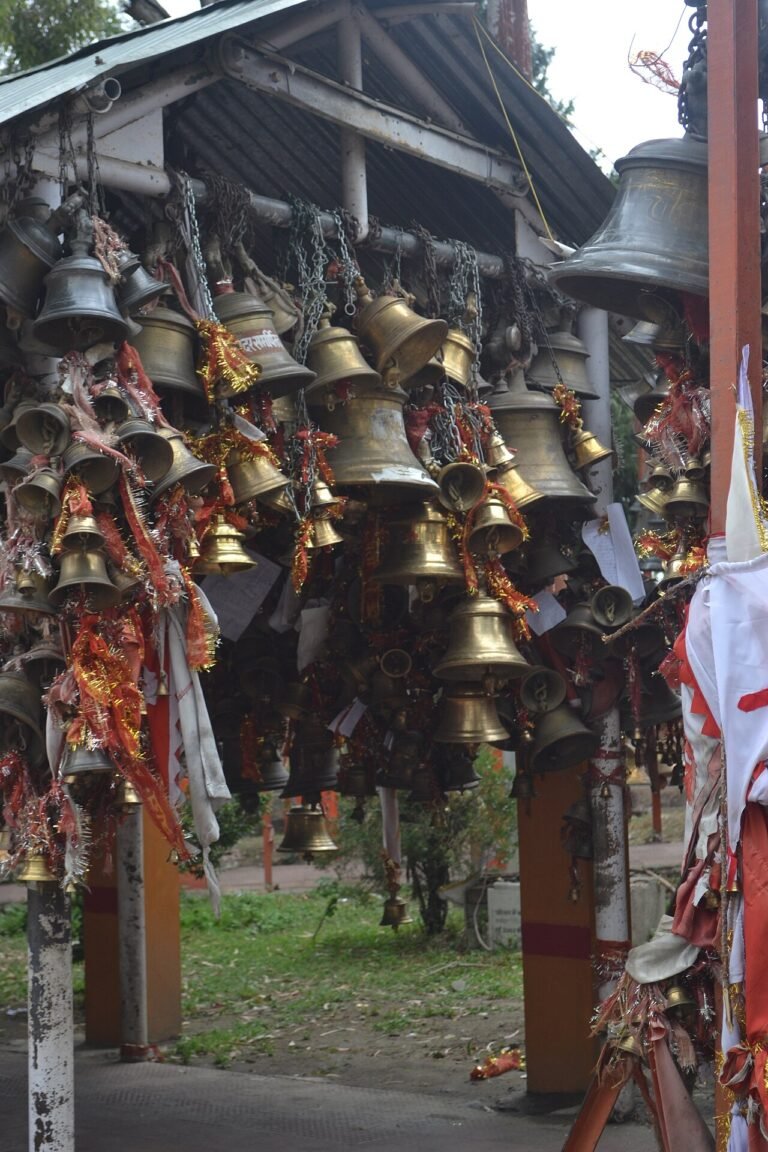
Kumaon’s folk art spans Aipan painting, Golu Devta images, folk songs, dances and drama from the Himalayas of Uttarakhand.