What Makes A Painting Expensive?
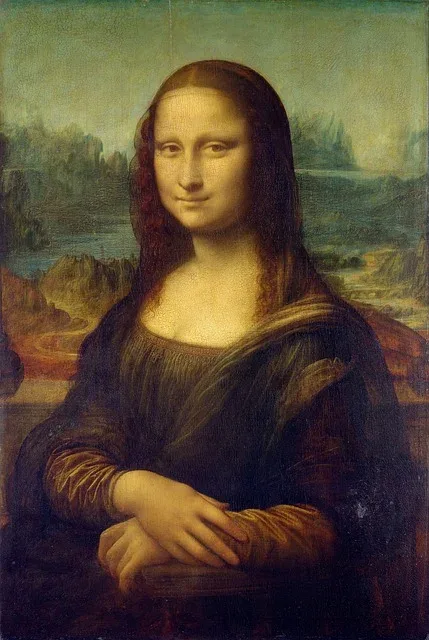
In short: A painting becomes expensive because of a mix of rarity, the artist’s reputation, condition, supply and demand, size and provenance. Fame can also change a price: the Mona Lisa became far better known after its theft in 1911, and Vincent van Gogh’s paintings are worth many times more today than during his lifetime.
Art is not what you see, but what you make others see. – Edgar Degas
One painting sells for a few thousand rupees while another sells for hundreds of millions of dollars. The difference comes down to a few factors that decide how much collectors are ready to pay.
How did the art market begin?
For much of history, paintings were not sold on an open market at all. In medieval and Renaissance Europe, a lot of art was commissioned by the Church, rulers and noble families, who paid artists for particular works. Britannica’s account of patronage names popes, the Medici of Florence and Francis I of France, and notes that under Louis XIV the French crown kept a tight grip on artistic patronage.
A change came in the Dutch Republic of the 1600s, where growing merchant and professional classes bought pictures for their homes. The Metropolitan Museum notes that many Dutch landscapes were not commissioned: they were sold at fairs, from studios or through dealers, and a signature helped build an artist’s name. In the 1700s dealers became more professional, as in Paris, and auction houses took shape; Christie’s was founded in London in 1766, and art auctions were a busy way of reselling Old Master paintings.
From about 1900 to 1940, dealers such as Joseph Duveen dominated the trade for wealthy collectors. Britannica notes that power then shifted toward the big auction houses shortly before the First World War, and after the Second World War museums became leading buyers. This history is why reputation, rarity, condition and documented ownership weigh so heavily on a price today.
Timeline
How the art market took shape
- Medieval and Renaissance Europe Much art was commissioned by the Church, rulers and noble families, who paid artists for particular works.
- 1600s In the Dutch Republic, merchant and professional classes bought pictures for their homes, often via fairs, studios or dealers.
- 1700s Dealers became more professional and auction houses took shape; Christie’s was founded in London in 1766.
- About 1900 to 1940 Dealers such as Joseph Duveen dominated the trade for wealthy collectors.
- Shortly before the First World War Power shifted toward the big auction houses, according to Britannica.
- After the Second World War Museums became leading buyers.
What makes a painting expensive?
A painting can be considered expensive for several reasons:
- Rarity and uniqueness: A painting that is one-of-a-kind, has historical or cultural significance, or was created by a famous artist is likely to be expensive. The Mona Lisa is one such example.
- Artist’s reputation: Paintings by well-established and renowned artists tend to command high prices, especially if their work has sold for significant amounts before. Vincent van Gogh, Salvador Dali, Leonardo da Vinci, Rembrandt and Pablo Picasso are some of the reputed names. Raja Ravi Varma, Abanindranath Tagore, Nandalal Bose and M. F. Husain are some of the names from India.
- Condition: Paintings in excellent condition that have been well maintained over time are more valuable than those that are damaged.
- Supply and demand: High demand for a particular artist or style can drive up prices. When an artist dies, prices often rise, because only a finite number of their works exist. This creates a supply constraint.
- Size: Larger paintings typically sell for more than smaller ones, all else being equal, and they also need more skill and effort to execute. For example, artist Emad Salehi painted “The story of the ball” on a canvas of 9,652 m² in Doha, Qatar, which Guinness World Records recognises as the largest art canvas.
- Provenance: Paintings with a documented history of ownership, exhibitions and previous sales can be more valuable than those with little or no provenance.
Six factors
What pushes a painting’s price up
- Rarity and uniqueness One-of-a-kind paintings, those with historical or cultural significance, or by a famous artist, tend to cost more.
- Artist’s reputation Renowned artists command high prices, especially if their work has sold for large sums before.
- Condition Well-maintained paintings in excellent condition are worth more than damaged ones.
- Supply and demand High demand drives prices up. After an artist dies, only a finite number of works exist, which creates a supply constraint.
- Size Larger paintings typically sell for more than smaller ones, all else being equal.
- Provenance A documented history of ownership, exhibitions and previous sales can make a painting more valuable.
How did the Mona Lisa become so famous?
Leonardo da Vinci painted the Mona Lisa in the early 16th century, and it later came into the French royal collection. Before the theft from the Louvre Museum in Paris in 1911, it was well known and highly regarded, but it was not as famous as it is today.
The theft and the widespread media coverage that followed made the painting a global sensation. The investigation brought it to the forefront of public attention and helped to establish its iconic status.
Why did Vincent van Gogh die poor, and why are his paintings worth so much now?
Vincent van Gogh struggled to make a living from his art during his lifetime. He sold only a small number of paintings, mostly for modest sums. The highest price he is generally said to have received was 400 francs for “The Red Vineyard”, bought by Anna Boch, a Belgian painter and collector.
After his death, the value of his work rose sharply, and his paintings now fetch very large sums at auction. For example, his “Portrait of Dr. Gachet” sold for $82.5 million at Christie’s in New York in 1990, a record at the time.
One of the main reasons for his later fame was the support of his brother Theo van Gogh, an art dealer. Theo supported Vincent with money throughout his life. Theo died only six months after Vincent, and it was Theo’s widow, Johanna van Gogh-Bonger, who then promoted Vincent’s work and helped to organise exhibitions. The art community and critics also began to recognise his unique style and his contribution to Post-Impressionism. Today he is widely regarded as one of the greatest artists of all time.
Key facts
Fame and price in numbers
- 1911 Mona Lisa stolen from the Louvre; the coverage made it a global sensation
- 400 francs Highest price Van Gogh is generally said to have received, for The Red Vineyard
- $82.5 million Portrait of Dr. Gachet at Christie’s New York, 1990, a record then
Frequently asked questions
What makes a painting expensive?
Mainly rarity and uniqueness, the artist’s reputation, condition, supply and demand, size and provenance.
How did the art market begin?
There was no single start. For centuries artists worked mainly for patrons such as the Church and courts. In the 1600s Dutch painters began selling to a wider public through fairs and dealers, and by the 1700s dealers and auction houses such as Christie’s (founded 1766) were shaping prices.
Why did the Mona Lisa become so famous?
Its theft from the Louvre in 1911 and the media coverage that followed made it a global sensation and established its iconic status.
Did Vincent van Gogh sell his paintings during his lifetime?
He sold only a small number, mostly for modest sums. The highest price he is generally said to have received was 400 francs for “The Red Vineyard”.
Why do paintings often become more valuable after an artist dies?
Only a finite number of the artist’s works exist after death, which creates a supply constraint and can push prices up.
What is provenance?
Provenance is the documented history of a painting’s ownership, exhibitions and previous sales. A well-documented history can make a painting more valuable.
Sources and further reading
Patronage (art), Encyclopaedia Britannica.
Landscape Painting in the Netherlands, The Metropolitan Museum of Art.
Art market (the 18th century; the 20th century), Encyclopaedia Britannica.
Neophilia and old master paintings: changes in consumer choice and the evolution of art auctions in the eighteenth century, Continuity and Change, Cambridge University Press.
Theft of the Mona Lisa – Wikipedia
Related reading
- Art as an Investment: Benefits, Risks and How to Start
- Krishna Art: The 16 Kalas and 13 Famous Artworks.
- Rich Heritage of Pichvai Paintings: A Journey Through Color, Devotion, and Tradition
Image credit: “Renaissance portrait of woman” by WikiImages, via Pixabay, under the Pixabay Content Licence.