Silver Craft
In short: Silver craft is the art of making beautiful and useful objects from silver, from jewellery and cutlery to home decor and sculptures. India has a long tradition of it, including silver filigree and Bidriware, and silver is loved for being durable, versatile and beautiful.
A fine Tarakasi filigree piece from Cuttack and a Bidriware piece inlaid with silver look very different, yet both are silver craft. It is the art of making things that are both beautiful and useful, from jewellery to cutlery. This article covers its history, how it lives on in India, the main types, and why people love silver so much.
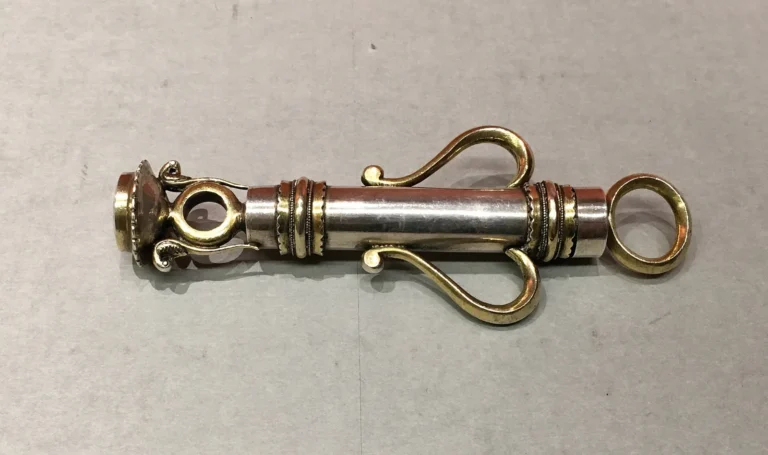
Silver has been used for centuries to make finely worked objects, from traditional silverware such as cutlery and candelabras to modern jewellery and home decor. This section looks at how silver craft is practised today.
What is the history of silver craft?
Silver is one of the oldest metals people have worked, but nobody can name a first silversmith. Britannica dates the oldest known silver objects to ancient Sumer, around 4000 BCE. The Metropolitan Museum notes silver beads in Egypt as early as the Predynastic Period (roughly 4400–3100 BCE), though silver survives rarely because it corrodes easily. These are rough dates, and the sources do not agree on one starting point.
Making silver took know-how. By about 2000 BCE miners were smelting silver-bearing lead ore and refining it by a fire process called cupellation. Because silver is soft and scarce, it was used for jewellery, ornament and money rather than for tools. Craftspeople learned to cast, chase, emboss, engrave and inlay it. In Egypt, temple inscriptions suggest silver was for long stretches valued even above gold, and it became far more common after 305 BCE under the Ptolemies.
In India, one well-known silver-inlay craft is Bidri ware from Bidar in the Deccan. Britannica says Bidar has been known for it since the 14th century, while the V&A says the earliest surviving pieces date from the early 17th century, so the start date is uncertain. Bidri objects are cast from a zinc-based alloy, inlaid with silver or brass and darkened with a special paste. We could not confirm from two reliable sources when other Indian silver crafts, such as Cuttack filigree, began, so we give no dates for them.
How is silver craft practised in India?
Silver craft has a long history in India, where it has been used to make objects for both practical and decorative purposes.
- Silver filigree: India is known for its fine silver filigree work, in which thin strands of silver are twisted and braided into complex designs. The best known example is tarakasi from Cuttack in Odisha. The technique has been passed down through generations and is still practised today.
- Odisha anklets: Odisha is also known for traditional silver anklets such as painri and paijam, and for knitted silver ornaments called gunchi.
- Bidriware: Bidriware, named after the city of Bidar in Karnataka, is the craft of inlaying silver on a dark, blackened metal base, which creates a shining contrast.
- Jewellery: Necklaces, earrings, bracelets and anklets are made of silver.
- Religious objects: Silver is used for idols, temple ornaments and puja thalis (ritual plates).
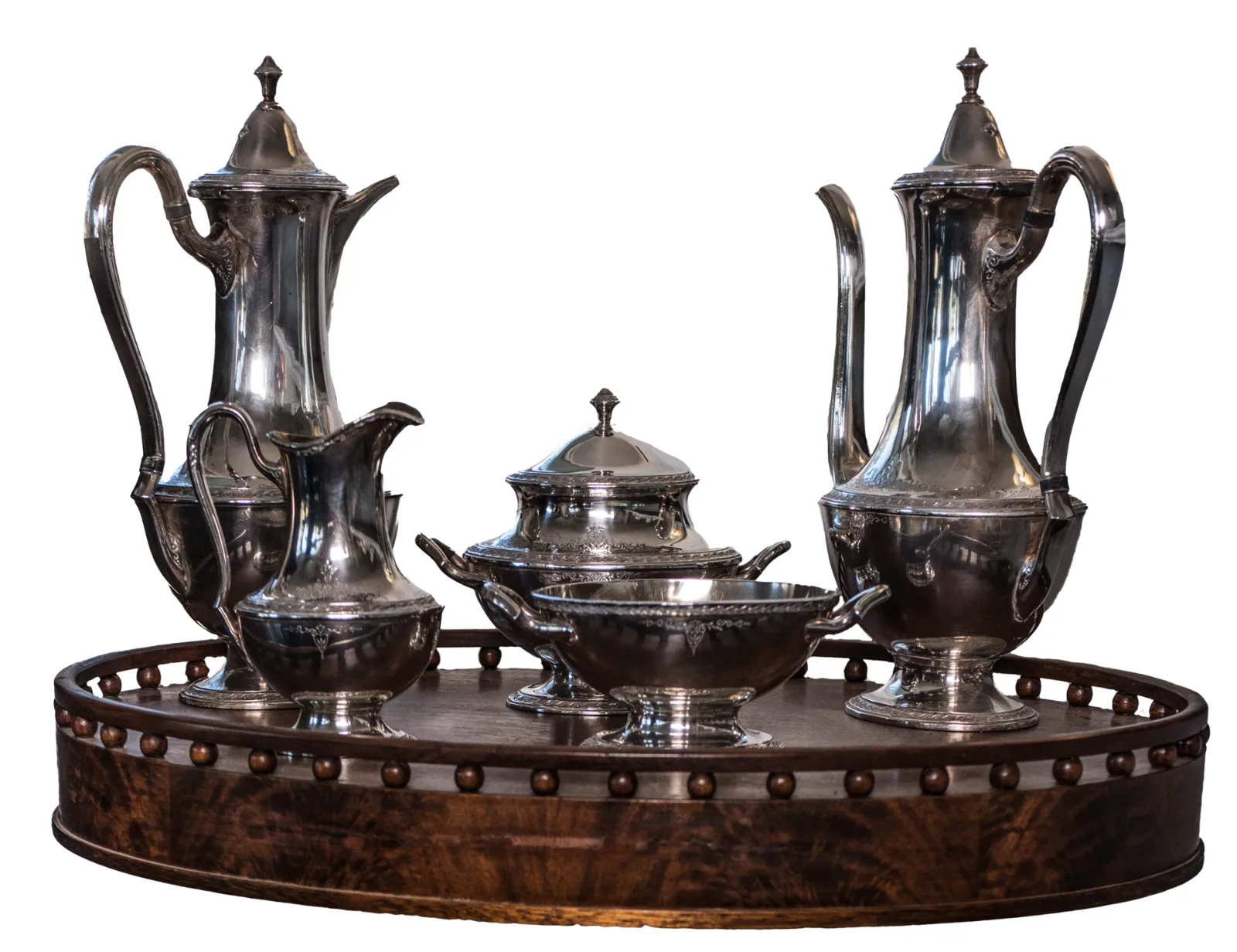
- Home items: Tea sets, trays and candelabras are also made of silver.
Its long history of silver craft has made India a leading producer of silver artefacts. Indian silver craft is known for its quality and attention to detail, and it is sought after by collectors around the world.
In recent years there has been a revival of interest in traditional silver craft, with a growing number of young craftspeople learning the techniques passed down through generations.
What are the main types of silver craft?
There are many forms of silver craft, each with its own techniques and styles. Some of the most popular are:
- Silver jewellery: From necklaces and earrings to bracelets and rings, silver is a popular material for jewellery.
- Silverware: Silver cutlery, plates and serving dishes are used on both formal and everyday occasions.
- Home decor: Candlesticks, vases and photo frames made of silver add elegance to a home.
- Sculptures: Artists use silver to make finely detailed sculptures.
Why do people love silver craft?
Silver is a versatile and durable material with many benefits for craftspeople and collectors alike.
- Longevity: Silver is durable and can last for generations with proper care.
- Versatility: Silver is highly malleable and ductile, so it can be shaped into a wide range of designs. Malleability is the ability of a metal to be shaped or bent without cracking. Ductility is the ability to be stretched into a wire without breaking.
- Beauty: Silver has a bright, reflective surface that suits many designs.
Frequently asked questions
What is silver craft?
Silver craft is the art of creating beautiful objects from silver, such as jewellery, silverware, home decor and sculptures.
How old is the craft of working silver?
Nobody knows exactly. Britannica dates the oldest known silver objects to ancient Sumer, around 4000 BCE, and the Metropolitan Museum records silver beads in Egypt from about 4400–3100 BCE. By around 2000 BCE people were refining silver from lead ore. These are approximate dates, not a fixed starting point.
What is silver filigree?
It is work in which fine strands of silver are twisted and braided into complex designs. It is a traditional Indian technique that is still practised today.
What is Bidriware?
Bidriware is the craft of inlaying silver on a dark background, which creates a shining contrast. It is associated with Bidar in Karnataka.
What are the main types of silver craft?
Silver jewellery, silverware, home decor and sculptures.
Why is silver good for crafts?
It is durable, it can last for generations with care, and it is highly malleable and ductile, so it can be shaped into many designs.
Sources and further reading
Silverwork, Encyclopaedia Britannica.
Silver processing, Encyclopaedia Britannica.
Silver in Ancient Egypt, The Metropolitan Museum of Art.
Bidar, Encyclopaedia Britannica.
Huqqa Base (Bidri), Victoria and Albert Museum.
Related reading
- Dhokra Art: India’s 4,000-Year-Old Lost-Wax Metal Casting
- Lost-Wax Casting Around the World: Dhokra, Chola, Benin and Greek Bronzes
- Bone Carving in India: History, Process and Craft Centres
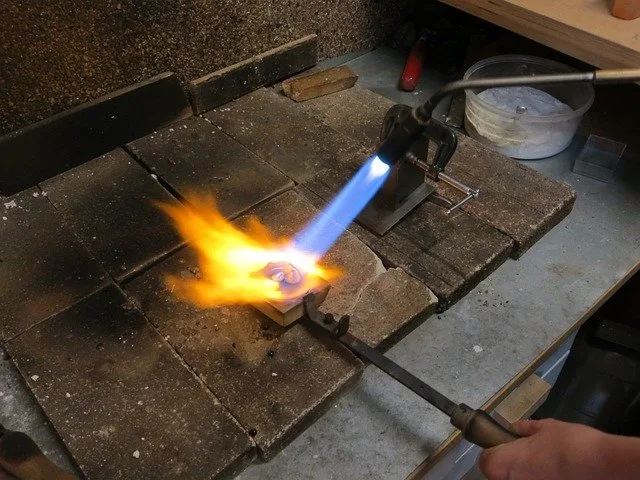
Image credit: silversmith photo by firemystery, via Pixabay, under the Pixabay Content Licence.
Image credit: “Silver Tea Set” by Rebecca Hardgrave, via Wikimedia Commons, licensed under CC BY 2.0.