
Blogs
Stories on art, antiques, coins and collectibles.
All stories
Each story lists its image credits at the end. The credits for the stories on this page are also listed at the bottom, and all of them are on the Image credits page.

Art as an Investment: Benefits, Risks and How to Start
Is art a good investment? Learn the benefits, risks and practical steps for starting an art collection as a long-term…
Phulkari of Punjab: Flower-Work Embroidery, Bagh and the Bride’s Trousseau
In short: Phulkari, meaning flower work, is Punjab’s silk embroidery on coarse cotton, worked mainly in darning stitch. When the…
Thangka Painting in Sikkim: Buddhist Scroll Art
Thangka painting is an old art that began outside Sikkim. Learn how it reached the state, who teaches it today,…
Block Printing, Batik and Resist Printing: India, Indonesia and Beyond
In short: Many textile traditions pattern cloth by blocking dye with wax, paste or mud before dyeing. India has hand…
Madhubani and Its Cousins: Folk Painting Traditions Around the World
In short: Madhubani, or Mithila painting, began as wall art made by women in homes in northern Bihar. Two other…
Lost-Wax Casting Around the World: Dhokra, Chola, Benin and Greek Bronzes
In short: Lost-wax casting means shaping a wax model, covering it in clay, melting the wax out and pouring metal…
Bandhani and Shibori: India’s and Japan’s Tie-Dye Traditions Compared
In short: Bandhani, a tie-dye from Gujarat and Rajasthan, and shibori, the Japanese family of resist-dye methods, both keep dye…
Old or Made to Look Old? Spotting Fake Ageing in Antiques
In short: Fake ageing usually shows up as wear and dirt that look the same everywhere, instead of building up…
Is It Real Silver? Purity Grades and Hallmarks Explained
In short: Silver is graded by fineness, the parts of silver per thousand, so 925 means 92.5 percent silver (sterling)…
Hand-Painted or Printed? How to Tell an Original Indian Folk Painting from a Print
In short: Genuine Indian folk paintings are built from brush, pigment and a prepared surface, so a magnifier usually shows…
Real Bandhani or Printed? How to Spot Hand-Tied Tie-Dye
In short: Every dot on genuine Bandhani, a tie-dye from Gujarat and Rajasthan, is a tiny knot tied by hand,…
Handloom or Powerloom? How to Tell Handwoven Cloth from Machine-Made
In short: Indian law defines a handloom simply as any loom that is not run on power, so how cloth…
Kalighat Painting: Bengal’s 19th-Century Temple and Satire Art
Kalighat painting, the bold folk art of 19th-century Kolkata: its Patua painters, gods and satire, signature style, decline and lasting…
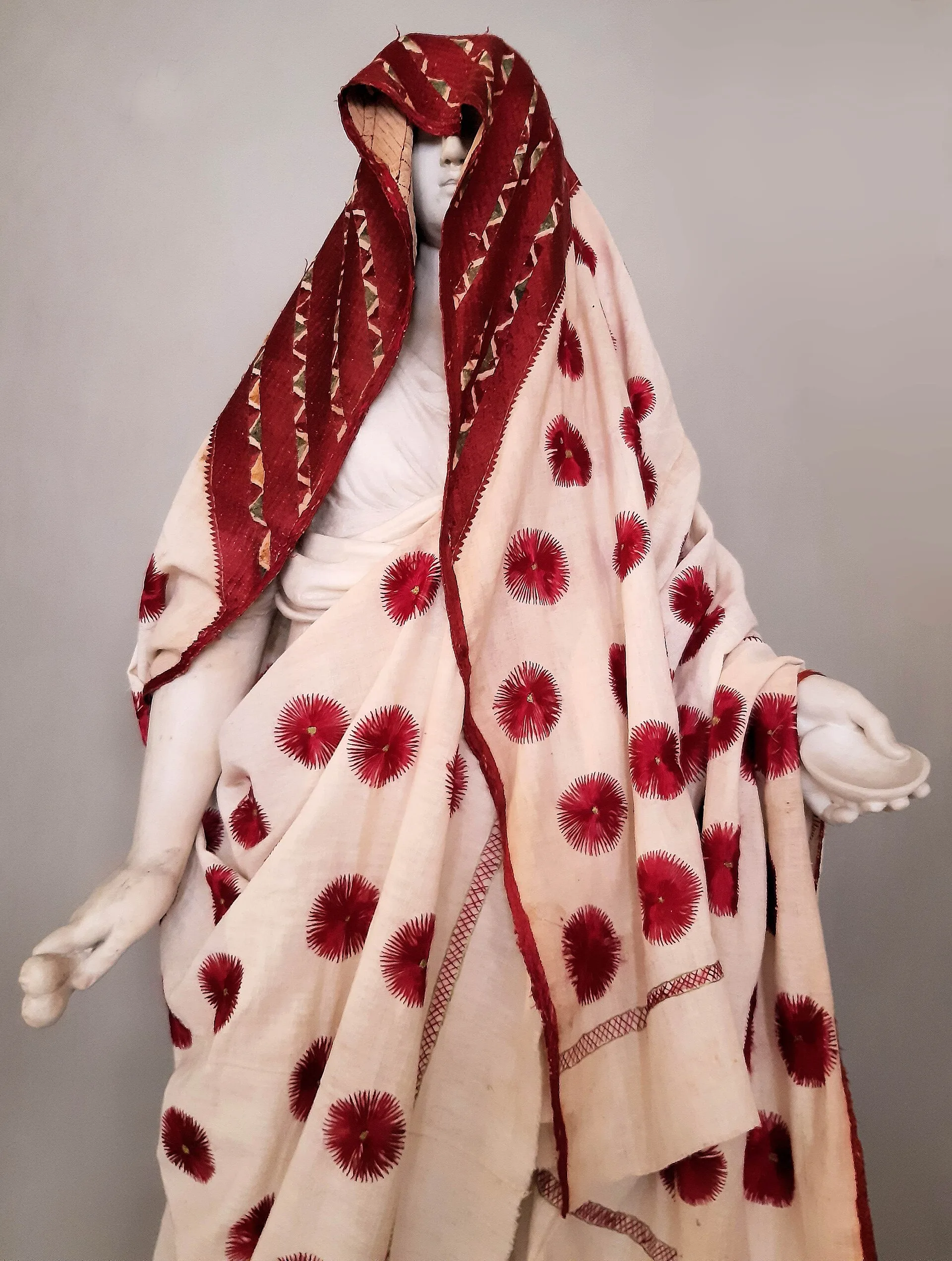
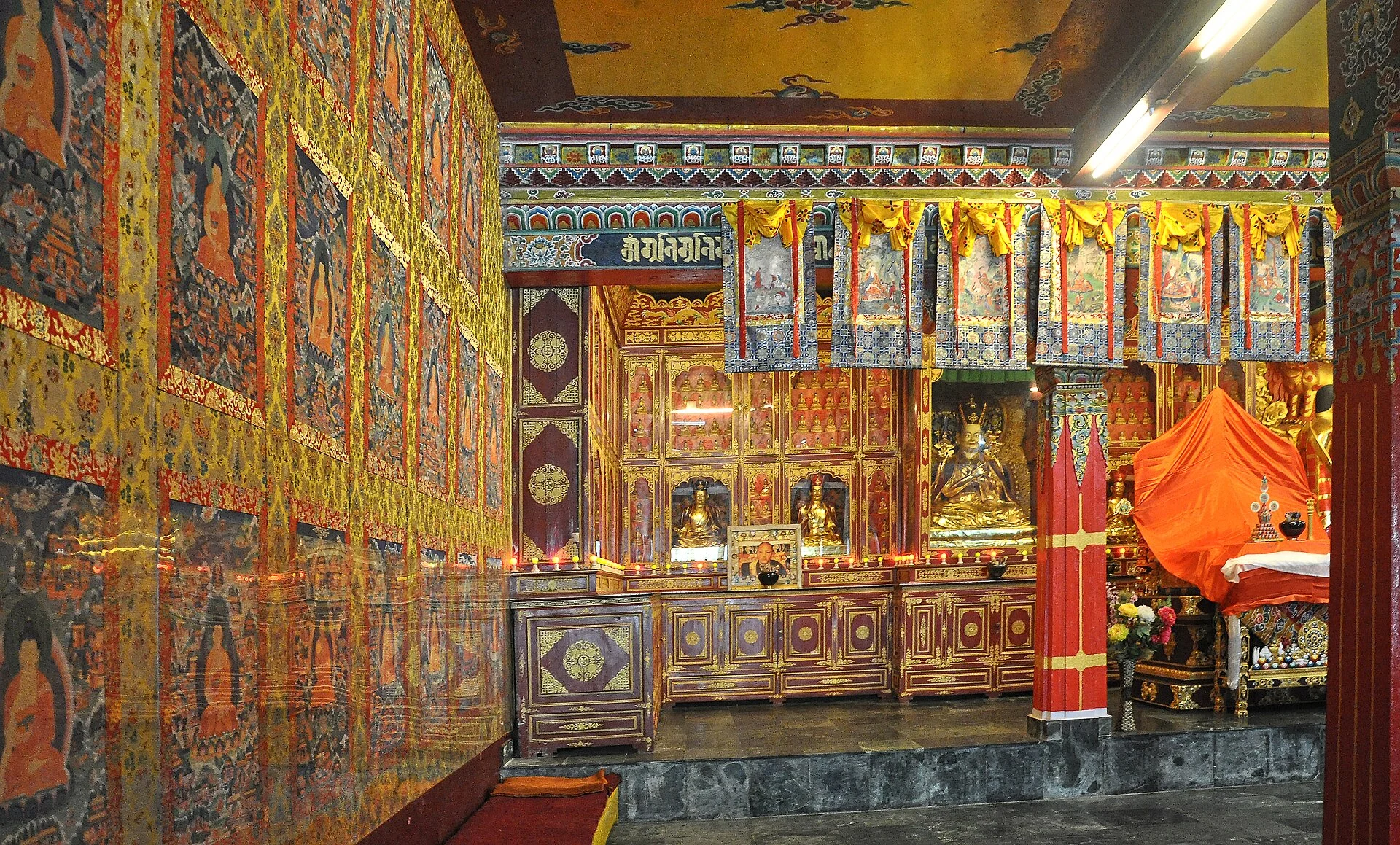
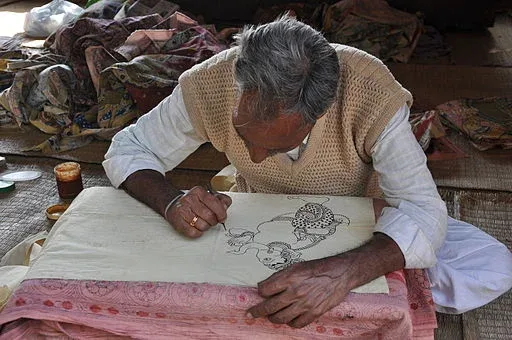
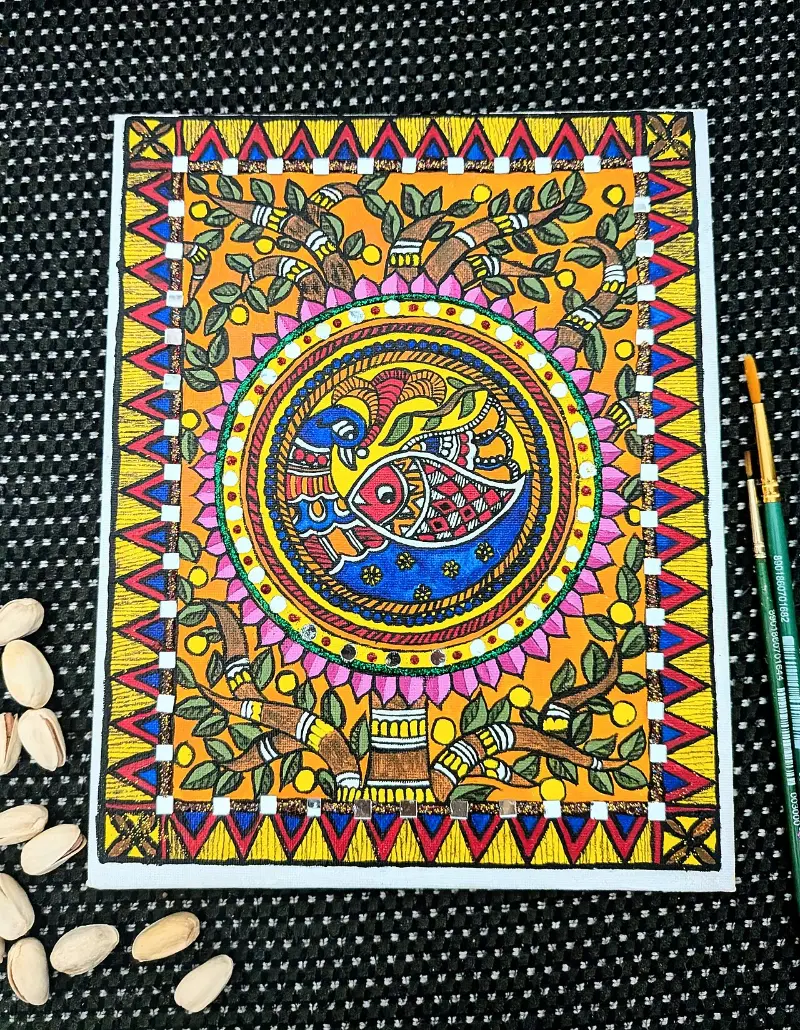
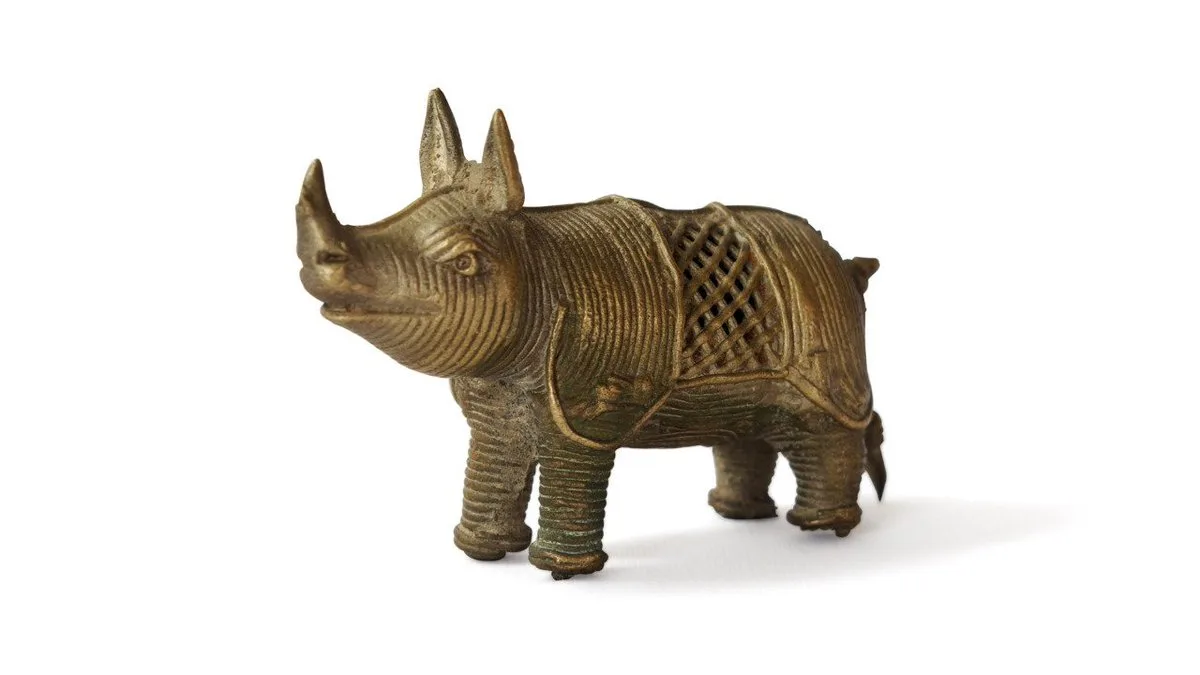
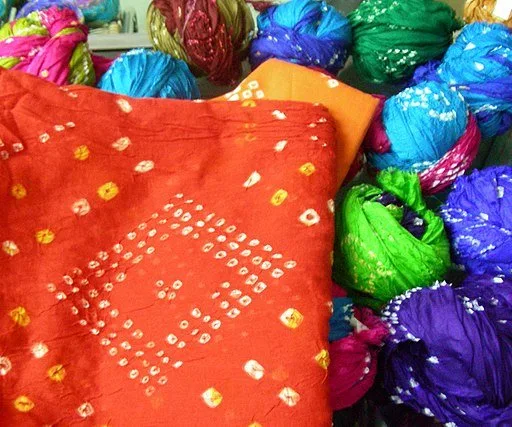
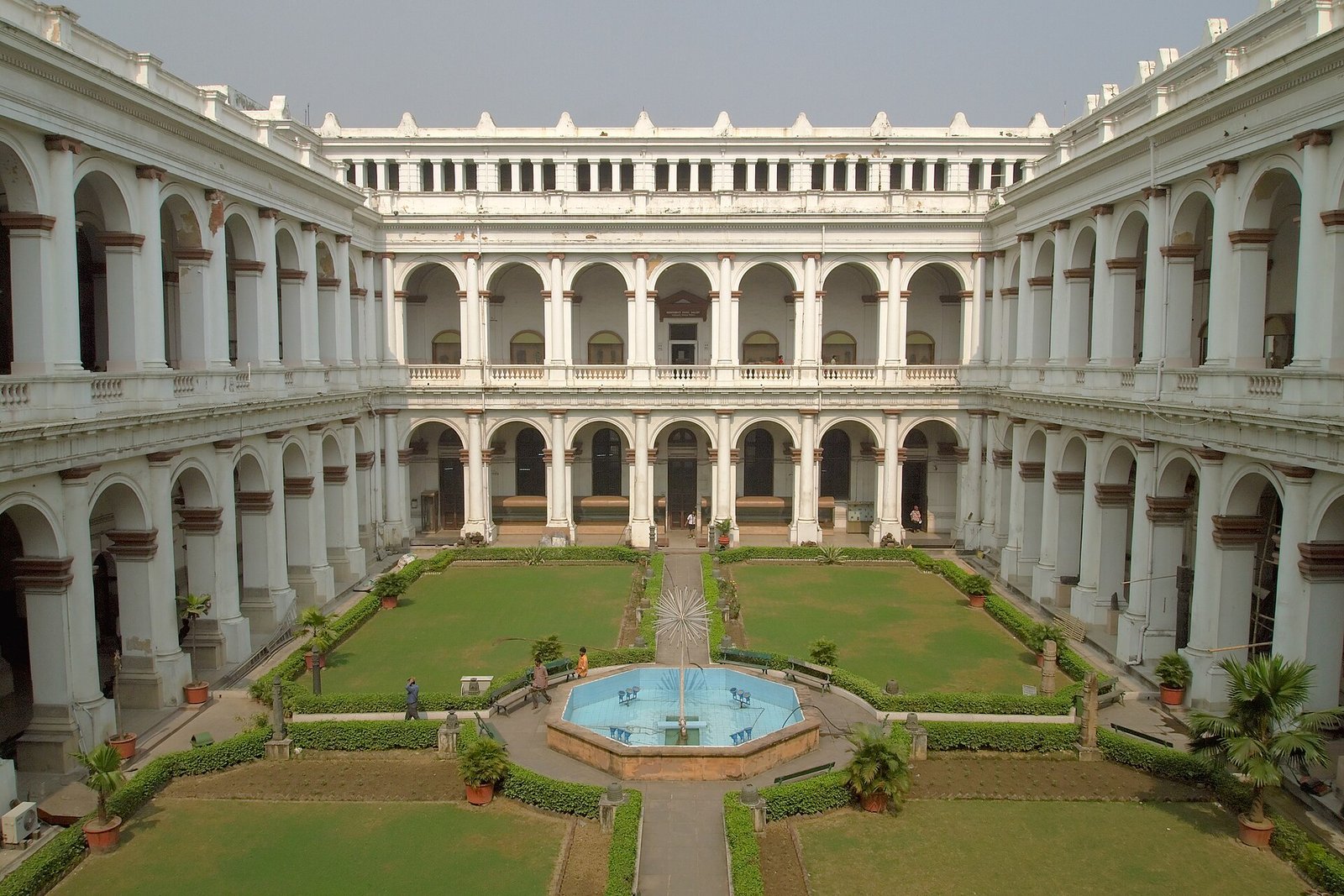
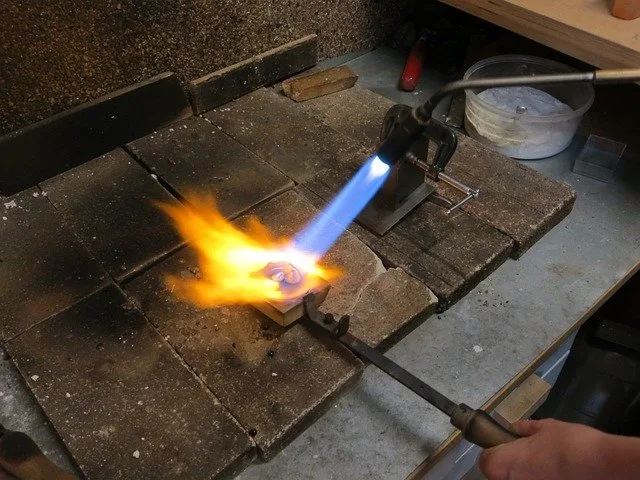
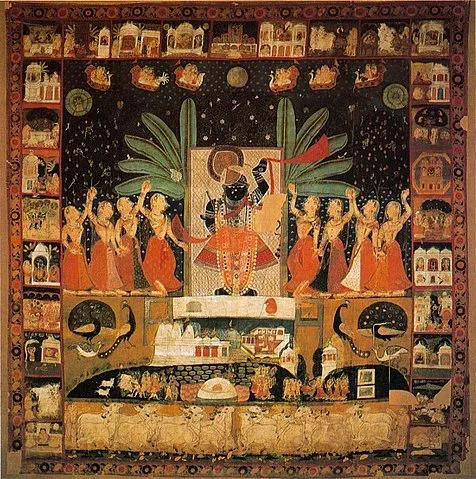
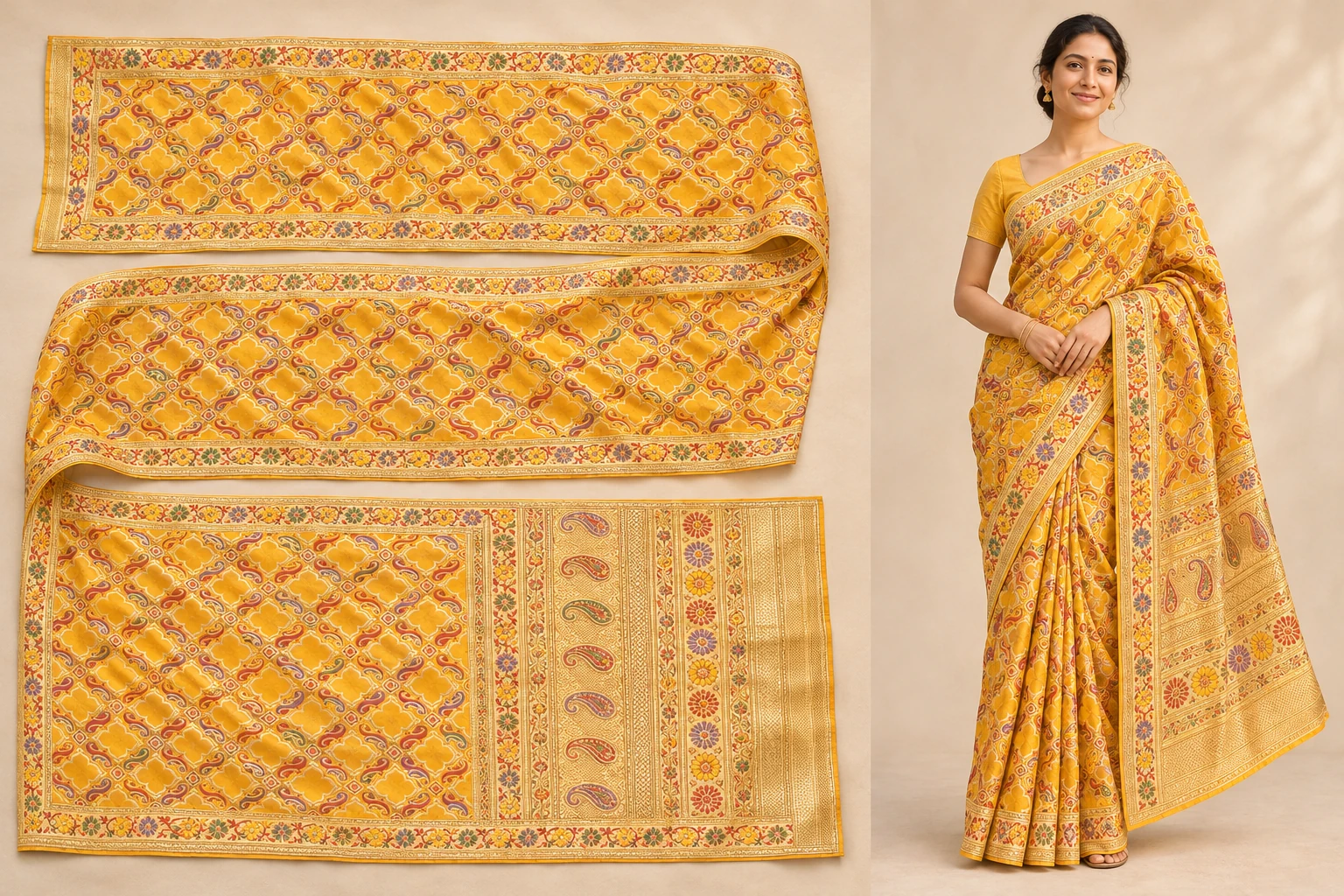
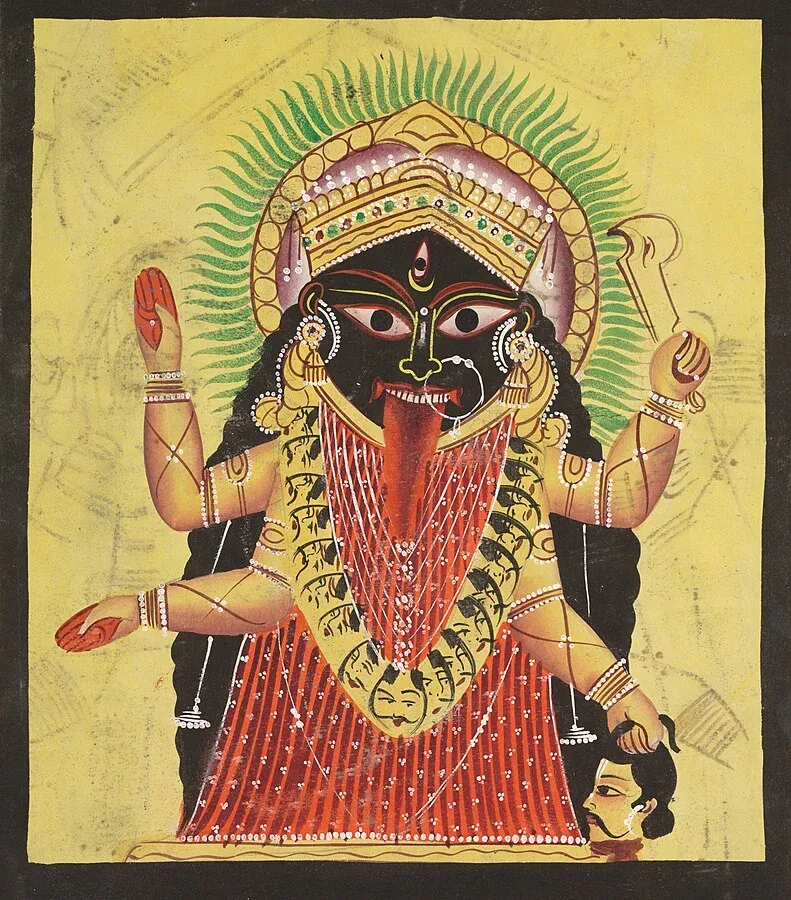
Image credit: AI-generated illustration created for Thigma Art, shown for representation; it is not a photograph of real objects.
Image credits for these stories
- Phulkari of Punjab: Flower-Work Embroidery, Bagh and the Bride’s Trousseau
“A Phulkari with traditional flower pattern on unworked background” by Chiswick Chap, via Wikimedia Commons, licensed under CC BY-SA 4.0. - Thangka Painting in Sikkim: Buddhist Scroll Art
Opening image, “Thangkas at Ralang Monastery” by Prof Ranga Sai, via Wikimedia Commons (file page), released under CC0 1.0. · What a thangka is, “Thangka at Ralang Monastery Sikkim” by Prof Ranga Sai, via Wikimedia Commons (file page), licensed under CC BY-SA 4.0. - Block Printing, Batik and Resist Printing: India, Indonesia and Beyond
“Kalamkari painting” by Anilbhardwajnoida, via Wikimedia Commons, under the Creative Commons Attribution-Share Alike 3.0 Unported licence. - Madhubani and Its Cousins: Folk Painting Traditions Around the World
“Madhubani painting by Bhuvana Meenakshi” by Bhuvana Meenakshi, via Wikimedia Commons, licensed under CC BY-SA 3.0. - Lost-Wax Casting Around the World: Dhokra, Chola, Benin and Greek Bronzes
“A Dhokra figurine made by a Dharua tribe” by Government of Odisha, via Wikimedia Commons, licensed under CC BY 4.0. - Bandhani and Shibori: India’s and Japan’s Tie-Dye Traditions Compared
“Bandhani (2150279080)” by tommy, via Wikimedia Commons, under the Creative Commons Attribution-Share Alike 2.0 Generic licence. - Old or Made to Look Old? Spotting Fake Ageing in Antiques
“Indian Museum, Courtyard, Kolkata, India” by Vyacheslav Argenberg, via Wikimedia Commons, licensed under CC BY 4.0. - Is It Real Silver? Purity Grades and Hallmarks Explained
silversmith photo by firemystery, via Pixabay, under the Pixabay Content Licence. - Hand-Painted or Printed? How to Tell an Original Indian Folk Painting from a Print
Krishna with Dancing Gopis, Pichhavai from the Temple of Nathdwara, Staatliche Museen, Berlin. Public domain. - Real Bandhani or Printed? How to Spot Hand-Tied Tie-Dye
“Bandhani (2150279080)” by tommy, via Wikimedia Commons, under the Creative Commons Attribution-Share Alike 2.0 Generic licence. - Handloom or Powerloom? How to Tell Handwoven Cloth from Machine-Made
AI-generated illustration created for Thigma Art, shown for representation; it is not a photograph of an actual saree. - Kalighat Painting: Bengal’s 19th-Century Temple and Satire Art
“Two Aspects of Kali: Kali Enshrined” (Kalighat painting, 19th century), Cleveland Museum of Art, via Wikimedia Commons, licensed under CC0.