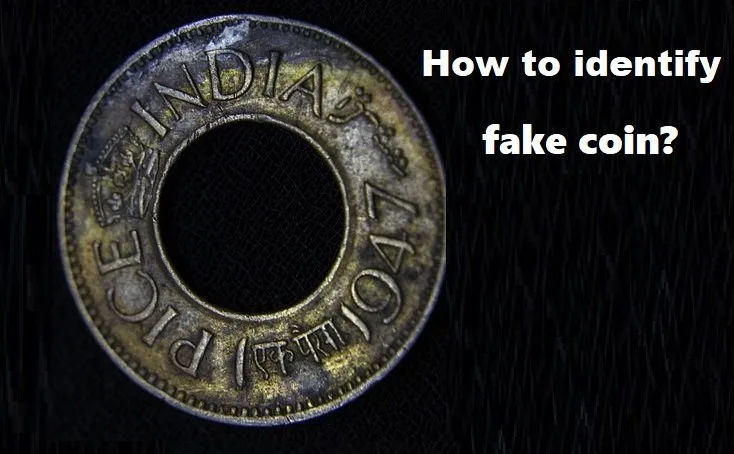
How to identify if an ancient coin is fake?
In short: To spot a fake ancient coin, check for inconsistencies in design and lettering, the weight and metal, signs of casting, natural patina, and whether the coin is too perfectly round. Compare it with documented examples and, above all, ask a professional numismatist. Fakes target cheaper coins, because costly ones get examined by many experts.
Fake ancient coins are made to look like valuable historical coins and sold to collectors and investors as genuine. They have no historical value of their own, and they cost honest collectors money and damage trust in the coin market.
What kinds of fake coins are there?
Fake coins are of two types. Some were minted at the same time as the originals, and these have their own historical significance. The others are minted in the present time, and those are the fakes we focus on here. Even these fakes may become historically significant a couple of centuries from now.
Replicas are sometimes made by collectors to fill a gap in their collection. In such cases the coin is usually marked “Copy”, “Replica” or the letter R.
Types
Two kinds of fake coins
- Minted at the time Made at the same time as the originals, so they have their own historical significance.
- Minted in the present Made today. These are the fakes the post focuses on, though even they may become historically significant centuries later.
Why are fake ancient coins made?
One of the major motivations is money, because rare coins trade at very high values. Fakes made for profit usually target the low price range of ancient coins.
If an ancient coin carries a high price tag, many experts are likely to examine it before it changes hands. Making a fake of such a coin is also very costly, because the counterfeiter has to get every small detail right, and one small mistake wastes all the money spent on minting it. Coins with a lower price tag usually do not go through such rigorous examination. Even if a buyer finds out later, the amount involved is so small that they often choose not to chase the seller.
Key facts
Fake coins in a nutshell
- Money The major motive, as rare coins trade at very high values
- Low price range Where fakes made for profit usually aim
- Copy, Replica or R Marks usually found on collectors’ replicas
How can you identify a fake ancient coin?
A few checks before buying make it much less likely that you will be cheated:
- Design, lettering and symbols: Genuine ancient coins have consistent, recognisable details, whereas fakes often show differences in the details from one coin to another.
- Weight and metal content: Ancient coins had specific weights and metal compositions, and deviations from these can indicate a fake. Study the period in which the coin was supposedly minted. Its weight and diameter should be similar to the prevalent weight and measuring system, and the metals and alloys should be those in use at the time. You can also measure the density of the coin and compare it with the density of the claimed metal.
- Signs of casting: Look for bubbles or flow lines in the metal. Most ancient coins were struck from metal dies rather than cast in moulds, although some types of ancient coins were genuinely cast, so check what is normal for the type you are looking at.
- Patina: The oxidised layer that coats many ancient copper and bronze coins is called patina. It is usually green but can also be blue or red. Ancient coins develop a natural patina over time, which can help to spot fakes that have been artificially aged.
- Shape: Is it a perfect round? A perfect circle is typically a result of modern machines, as hand-struck ancient coins are usually somewhat irregular.
- Comparison: Compare the coin with well-documented examples to find any discrepancies or inconsistencies.
- Professional opinion: The best way to determine authenticity is to consult a professional numismatist, who has the expertise and resources to authenticate coins.
Note: these tips are general guidelines, and fakes can be very sophisticated. The only way to be sure of a coin’s authenticity is to have it examined by a professional with expertise in ancient coins.
Checks
Seven checks for a fake ancient coin
- Design and lettering Genuine coins have consistent, recognisable details, while fakes often differ from one coin to another.
- Weight and metal Weight, diameter and metals should match the period the coin is said to come from.
- Signs of casting Look for bubbles or flow lines, since most ancient coins were struck from dies, though some types were genuinely cast.
- Patina Natural patina, usually green but sometimes blue or red, can expose artificially aged fakes.
- Shape A perfect circle is typically a result of modern machines, as hand-struck coins are usually somewhat irregular.
- Comparison Compare the coin with well-documented examples to find discrepancies.
- Professional opinion A professional numismatist is the best way to determine authenticity.
Frequently asked questions
Why are fake ancient coins made?
Mainly for money. Rare coins trade at very high values, and fakes usually target the low price range of ancient coins.
Why do fakers target cheaper coins?
Costly coins are examined by many experts and are very expensive to fake, while cheaper coins rarely get such scrutiny, and buyers seldom chase sellers over small amounts.
What is patina on an ancient coin?
Patina is the oxidised layer that coats many ancient copper and bronze coins. It is usually green but can also be blue or red.
Is a perfectly round coin a good sign?
No. A perfect round is usually the result of modern machines, so it should make you suspicious of a coin claimed to be ancient.
What is the best way to confirm a coin is genuine?
Have it examined by a professional numismatist with expertise in ancient coins, and compare it with well-documented examples.
Sources and further reading
Related reading
- Art as an Investment: Benefits, Risks and How to Start
- Is It Real Silver? Purity Grades and Hallmarks Explained
- Shivrai
Image credit: “Vintage 1946 Indian one pice coin” by PDPics, via Pixabay, under the Pixabay Content Licence.