Is It Real Silver? Purity Grades and Hallmarks Explained
TL;DR: Silver is graded by fineness, the parts of silver per thousand, so 925 means 92.5 percent silver (sterling) and 999 is fine silver. An independent hallmark is the dependable proof, while home signs such as a magnet, tarnish or a stamp only hint at the truth. In India, BIS silver hallmarking is still voluntary, but a hallmarked piece must now carry a six-digit HUID code that can be checked.
What 925 and 999 actually mean
A sterling silver spoon is not pure silver. About 7.5 percent of it is copper, mixed in because pure silver is soft, according to guidance from the Canadian Conservation Institute and a US museum-community care guide. The silver share is written as fineness, meaning parts of silver per thousand parts of metal. So 925 means 92.5 percent silver, 800 means 80 percent, and 999 means almost nothing but silver.
The grades you will meet most often differ a little from country to country. The United Kingdom recognises four: 999, 958, 925 and 800. India’s standard for silver jewellery, IS 2112, lists a longer set in the revised version I could read: 999, 990, 970, 958, 925, 835 and 800. That document looked like a draft on a BIS server, so treat the exact list as something to confirm with BIS. Reports on the first months of the Indian HUID scheme say that roughly nine in ten registered pieces were in the 925 and 800 grades.
Plated silver is a different thing altogether: a thin skin of silver over a cheaper base metal such as copper. As the skin wears off, the metal underneath shows through, according to the care guide above.
India: BIS hallmarking and the HUID
The Bureau of Indian Standards (BIS) is India’s national standards body. A PTI news report from June 2026 says silver hallmarking under BIS has been voluntary since 2005 and remains so. The BIS Director General said the Bureau is studying the framework and capacity needed before making it compulsory, will move gradually, and has given no timeline. Rules can change, so check the BIS website for the latest position before relying on this.
What did become compulsory is the HUID. From 1 September 2025, reports from GJEPC (a jewellery export council) and Business Today say, every hallmarked silver article must carry a Hallmark Unique Identification number, a six-digit letters-and-numbers code engraved by laser. The same reports say buyers can look the code up in the BIS CARE app. In plain terms: hallmarking is optional, but a piece that is hallmarked must carry the code.
- The BIS standard mark, the word SILVER, the purity grade, and the HUID code appear together on a hallmarked piece, per BIS standard IS 2112 and news reports.
- Business Today reports that about 59 lakh (5.9 million) silver articles were hallmarked in 2025-26, up from over 32 lakh the year before, tested at roughly 230 BIS-recognised centres.
- A missing hallmark does not prove a fake. The scheme began in 2005 and is optional, so older and handmade pieces are often unmarked.
How other countries mark silver
The United Kingdom has one of the oldest systems. UK government guidance says a compulsory hallmark has three parts: the maker’s or sponsor’s mark, a mark showing the metal and its fineness, and the mark of the assay office that tested the piece. The four UK offices are London, Birmingham, Sheffield and Edinburgh. A date letter is optional. Small silver items below about 7.78 grams can be exempt from compulsory hallmarking.
Across borders there is a treaty. The Hallmarking Convention, signed in Vienna in 1972 and in force from 1975, lets items carrying its Common Control Mark and the legal fineness move between member states without being retested. The UK joined in 1972 according to its own guidance. Many other countries run their own systems, and some leave marking optional, so the same 925 stamp can mean different levels of checking. I could not confirm a full member list, so check the Convention’s website for a particular country.
Simple home signs and their limits
These checks are commonly suggested for a first look. None of them measures purity, and none should involve scratching, filing or dropping acid on a whole piece.
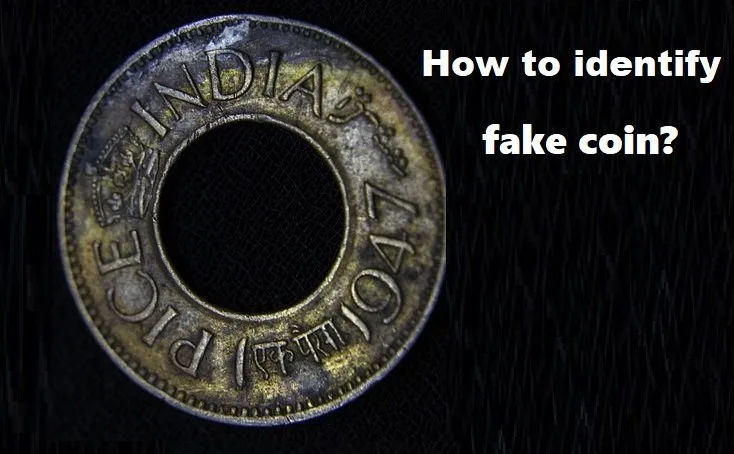
- Marks: look for 925, 999 or a hallmark under a magnifier. A stamp can be copied onto a base metal, so a mark alone is not proof. In India the HUID can be checked, which is stronger.
- Magnet: silver is not magnetic, so a strong magnet that sticks suggests another metal. But copper, brass and many other non-magnetic metals pass this test, so it can only rule some fakes out.
- Tarnish: silver darkens when it meets sulfur gases in the air, as the Canadian Conservation Institute explains, and sterling tarnishes faster than nearly pure silver. Plated pieces tarnish too, so darkening proves nothing either way.
- Wear: on plated items the copper-coloured base can show on edges and high points. That suggests plating, but a piece without such wear may simply be new.
Use the signs together and keep your expectations modest. A heavy, well-made piece with a clear mark that does not stick to a magnet and shows no copper on its edges is a reasonable candidate for real silver. It is still only a candidate. Careful fakes are made precisely to pass these simple checks, which is why independent testing, not a seller’s word, is the real answer for anything valuable.
When to get a proper assay
An assay is a purity test done by a recognised laboratory or assay office. It is the right step when real money or heritage value is involved: an inherited set you plan to sell, an antique whose old stamps you cannot read, or a large purchase with no hallmark. In India, BIS says its recognised assaying and hallmarking centres test purity, and its FAQ page says members of the public may submit items for testing for a fee, although only registered jewellers can send items for hallmarking. That FAQ page looks older, so confirm current rules with BIS.
Ask the lab which method it uses and whether it marks or damages the piece. A hallmark or assay report tells you the fineness. It does not tell you the age, the maker or the artistic value of an object, which need a different kind of expert.
Related stories
Frequently asked questions
Is 925 silver real silver?
Yes. It is sterling silver, 92.5 percent silver with the rest mostly copper. It is real silver but not pure silver.
Is silver hallmarking compulsory in India?
As of June 2026 reports, no. It is voluntary, but hallmarked silver must carry a HUID code, and BIS is studying whether to make hallmarking compulsory.
How do I check a HUID?
Reports say the BIS CARE app can look up the six-digit code. Use the app or the BIS website, not a link sent by a seller.
Does a magnet prove silver is real?
No. Silver is not magnetic, but many other metals are not either, so a magnet only helps rule out some fakes.
Does tarnish mean it is real silver?
Not by itself. Silver tarnishes in sulfur-containing air, but plated items tarnish as well.
Sources and further reading
- Business Today: Will silver hallmarking become mandatory? BIS assesses readiness (June 2026)
- ETV Bharat (PTI): BIS studying implementation challenges for mandatory silver hallmarking
- GJEPC Solitaire: BIS reports strong early response to silver HUID rollout
- BIS: IS 2112 silver standard (revised text, appears to be a draft)
- BIS: Hallmarking FAQ
- UK Government: Hallmarking guidance notes
- International Convention on Hallmarks: What is the Convention?
- Canadian Conservation Institute: Understanding how silver objects tarnish
- Connecting to Collections: What is Silver and How to Take Care
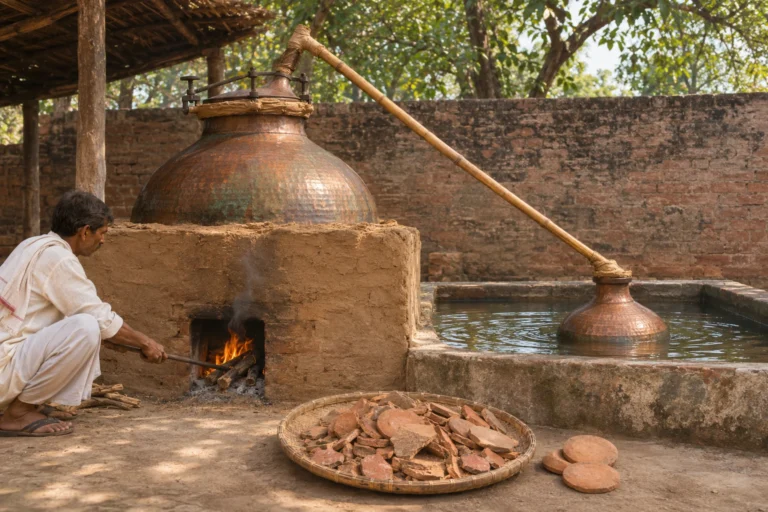
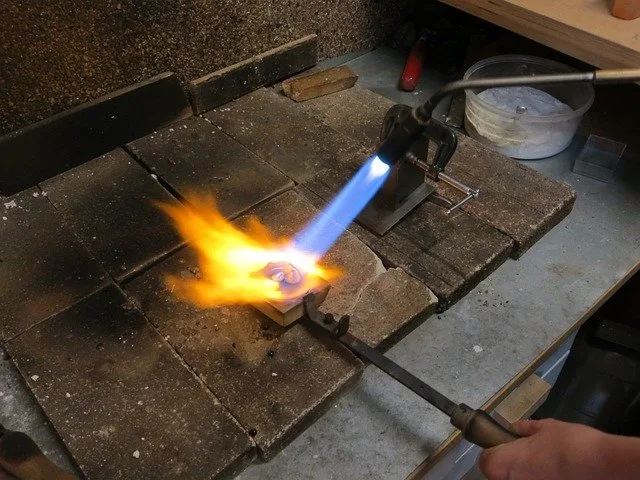
Image credit: silversmith photo by firemystery, via Pixabay, under the Pixabay Content Licence.