Unsung Art of India: 9 Folk and Tribal Painting Styles
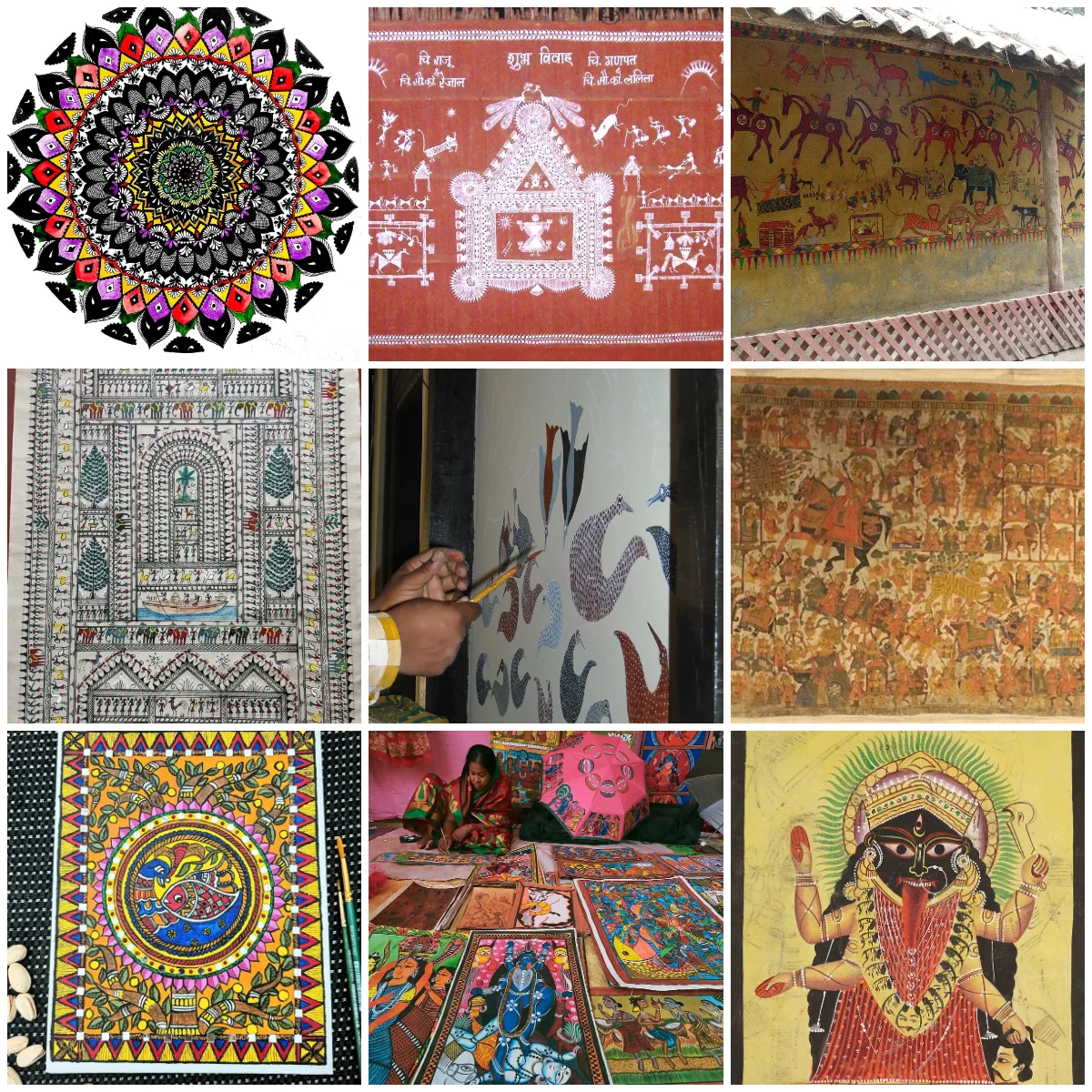
In short: India has many lesser-known folk and tribal art forms that tell the stories, beliefs and daily life of their communities. This guide introduces nine of them: Mandala, Warli, Pithora, Saura, Gond, Phad, Madhubani, Pattachitra and Kalighat painting, and what makes each one special.
Warli on hut walls in Maharashtra, Phad scrolls in Rajasthan, Kalighat pictures from 19th-century Kolkata: India has many folk and tribal painting traditions, and the communities behind them are still working to keep them going. Each belongs to a particular state and people, and the stories it carries say a lot about where it comes from.
How far back does painting in India go?
The nine arts in this post are living folk and tribal traditions, and for most of them no firm founding date is recorded in the sources we checked. What we can say is that painting in India is very old. At Bhimbetka in Madhya Pradesh, UNESCO says the rock paintings appear to run from the Mesolithic period into historic times, while Britannica traces the oldest ones to the Late Palaeolithic. Sources differ on the earliest dates, but both describe a long sequence from animals and hunting scenes to farming and religious motifs.
UNESCO also notes that customs in about 21 neighbouring villages closely resemble scenes in the paintings, a reminder that wall and ground painting has often stayed close to everyday community life. Other traditions grew in courts and monasteries: at Ajanta, UNESCO describes fine wall paintings in a second phase in the 5th–6th centuries CE.
Some of the styles you will meet in this post are much younger and better documented. Kalighat painting, for example, emerged in 19th-century Calcutta. Britannica says artists made quick, bold watercolours to sell to pilgrims visiting the Kalighat temple, and the V&A dates such works from the 1830s onward, when artists moved to the city from rural Bengal. The style faded quickly, but it influenced later painters such as Jamini Roy.
For the other forms, ask the artists and the communities who practise them: living traditions often hold more history than any single date.
Timeline
Painting in India, old and newer
- Late Palaeolithic or Mesolithic onward Bhimbetka rock paintings: UNESCO says Mesolithic into historic times, Britannica traces the oldest to the Late Palaeolithic. Sources differ on the earliest dates.
- 5th to 6th century CE At Ajanta, UNESCO describes fine wall paintings in a second phase.
- From the 1830s The V&A dates Kalighat works from this decade, when artists moved to Calcutta from rural Bengal.
- 19th century Kalighat painting emerged in Calcutta; it faded quickly but influenced later painters such as Jamini Roy.
Why does India’s folk and tribal art matter?
Tribal and folk art is an artistic form that carries life and creativity. They inspire people, and they also record history. Every state has its own art that tells of its culture, traditions and stories. Here are nine art forms that help you understand India and its culture more closely.
Which are the nine unsung art forms of India?
Here is a quick tour of nine of them.
Mandala art
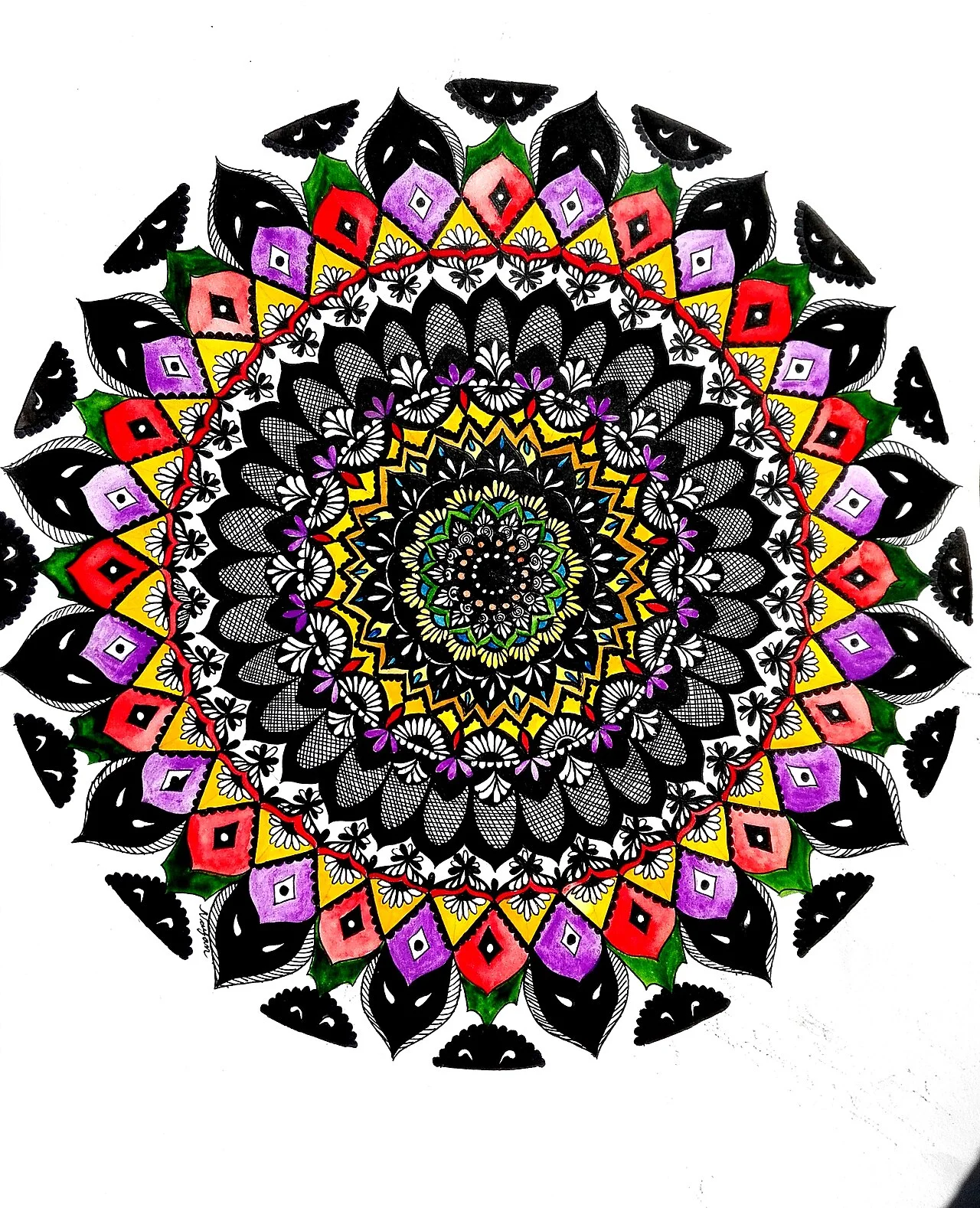
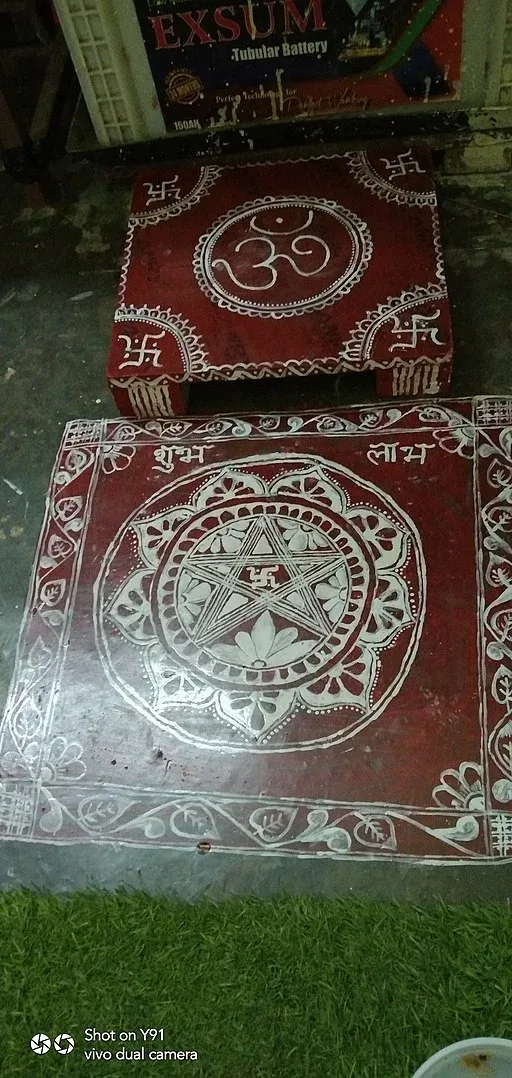
Mandala art preserves tradition and expresses a spiritual, symbolic style. The word “mandala” comes from Sanskrit and means circle or centre. It symbolises the universe and is often used for meditation, self-discovery and healing. Mandalas can be of several types, including traditional Tibetan mandalas, yantra-style mandalas from Hindu and Buddhist traditions, and therapeutic mandalas used for healing and meditation.
Warli art, Maharashtra
Read more: Warli Painting: Tribal Wall Art of Maharashtra
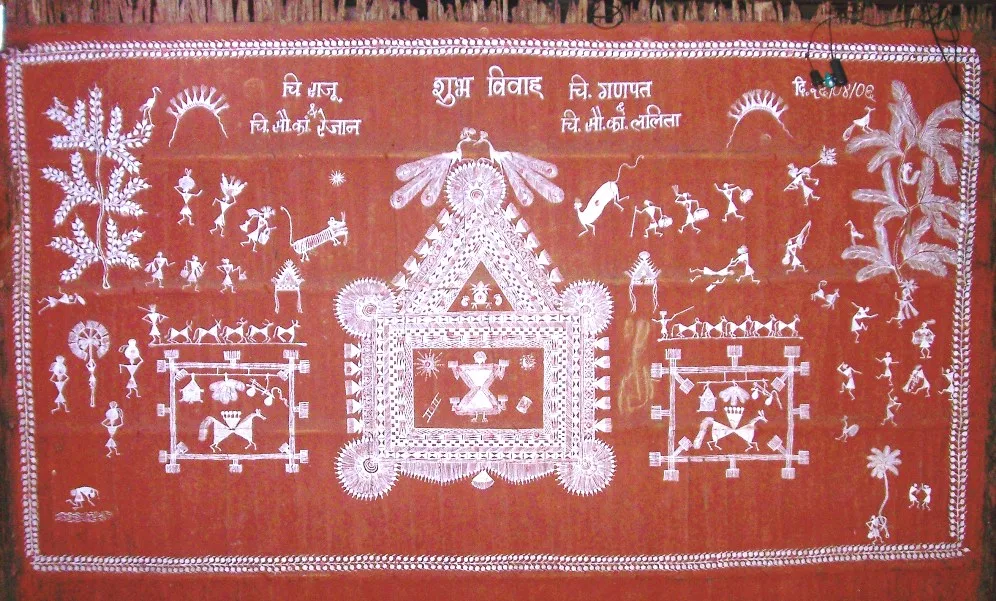
Warli is a tribal art that tells stories of the Warli people of Maharashtra and conveys many messages through simple shapes. It is traditionally painted in white, made from rice paste or rice flour, on the walls of village huts. Nowadays chalk or white paint is also used.
Pithora art, Gujarat
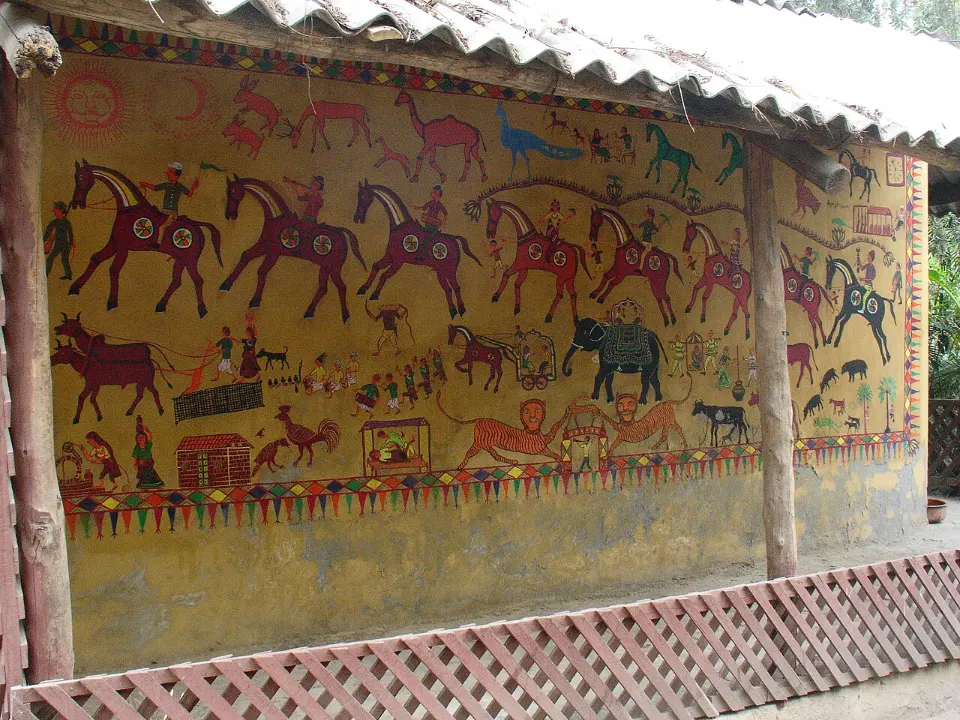
Pithora is a traditional art from Gujarat, linked to the traditions and rituals of the communities who paint it. Pithora paintings depict the surroundings people live in, not literally but in how they perceive the elements of their environment and nature. Modern elements such as railway tracks and aeroplanes can be seen too.
Saura art, Odisha
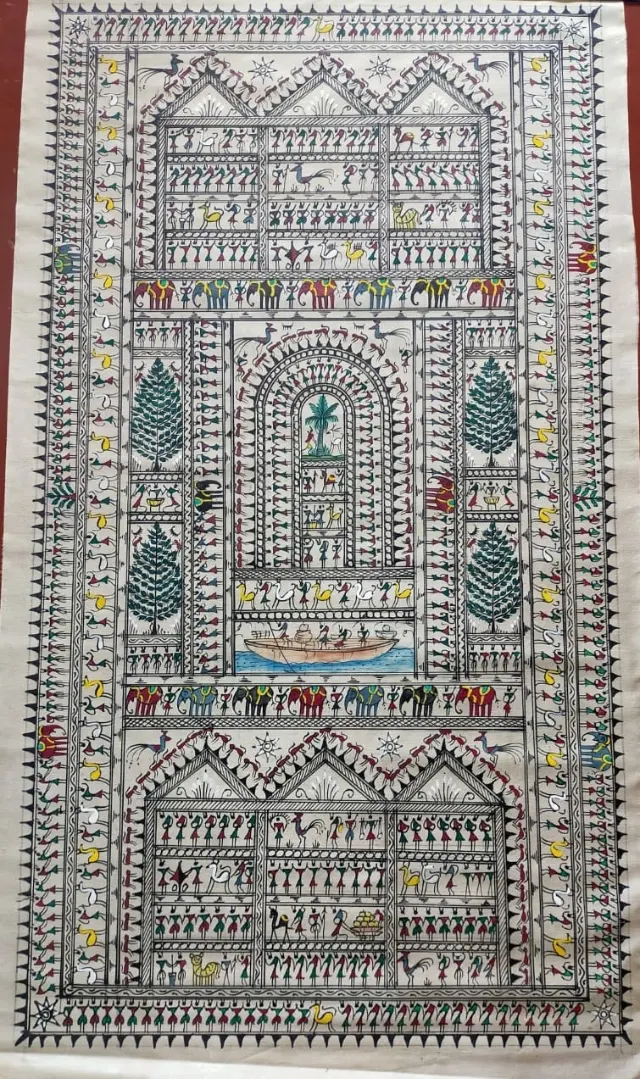
Saura art comes from the Sora (Saura) tribe of Odisha. Tradition links the tribe with figures such as Savari and Jara, who are thought to have belonged to it. For the tribes who decorate their homes with Saura art, it is a way of keeping a historical record for those who cannot read or write.
Gond art, Madhya Pradesh
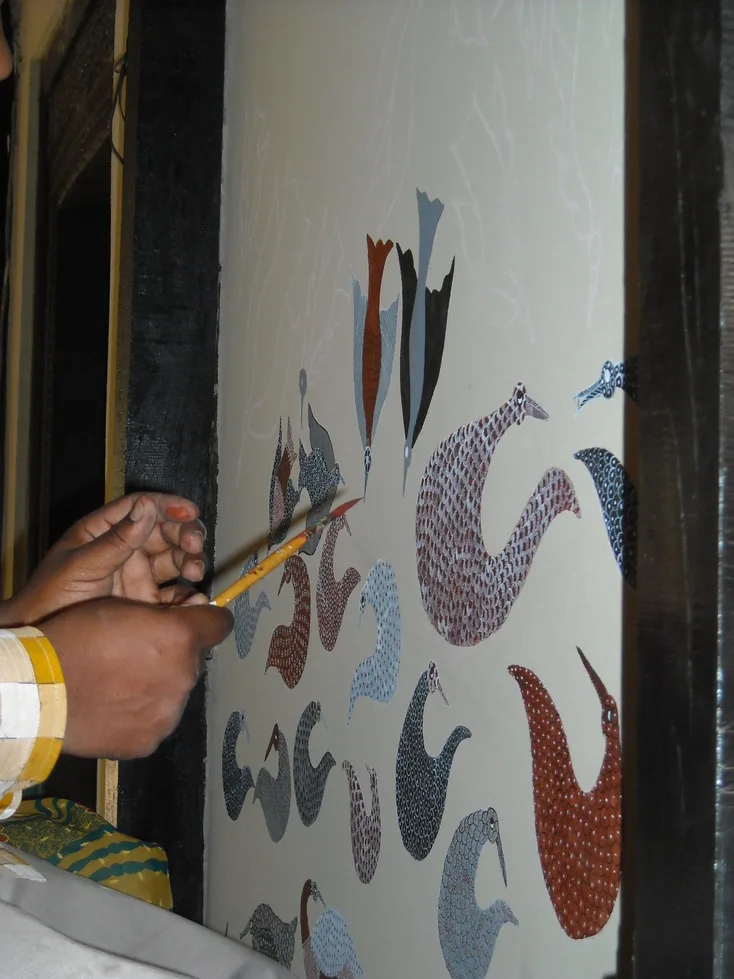
Gond art comes from the Gond tribe of Madhya Pradesh, one of the largest tribal communities in India, and pays homage to its traditions. The paintings stand out for their strong colours and patterns.
Phad painting, Rajasthan
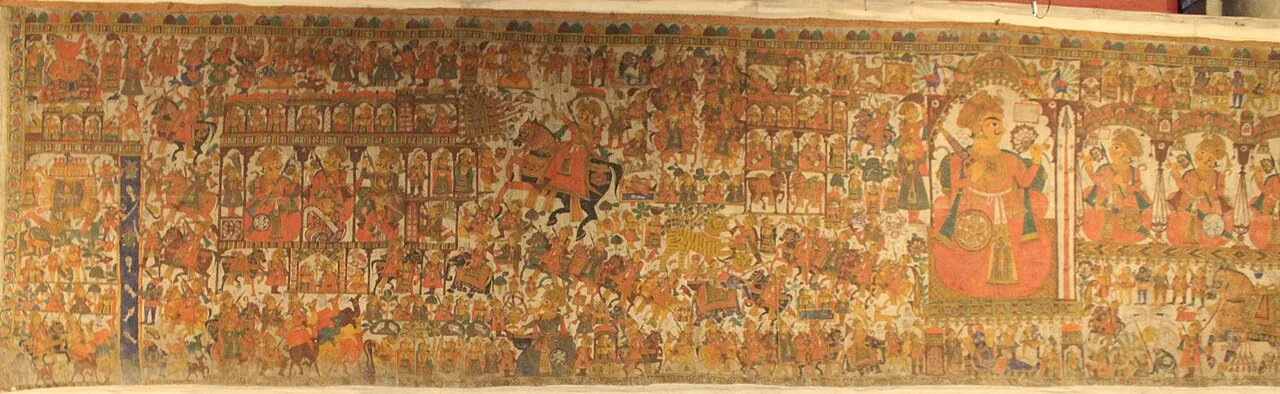
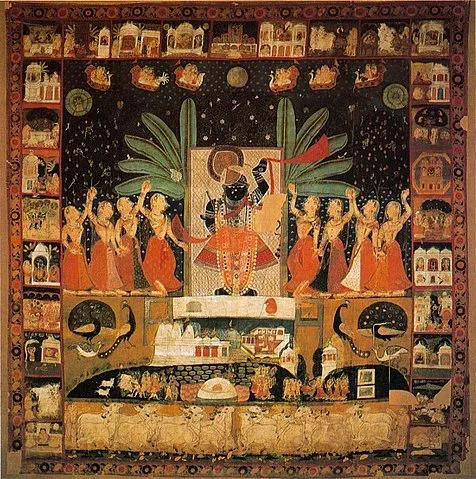
Phad is a storytelling art from Rajasthan. As traditional as it sounds, it is full of colour. The technique is meticulous: the cloth is treated with a paste of rice (or starch) and gum to create a smooth, durable surface for painting.
Madhubani art, Bihar
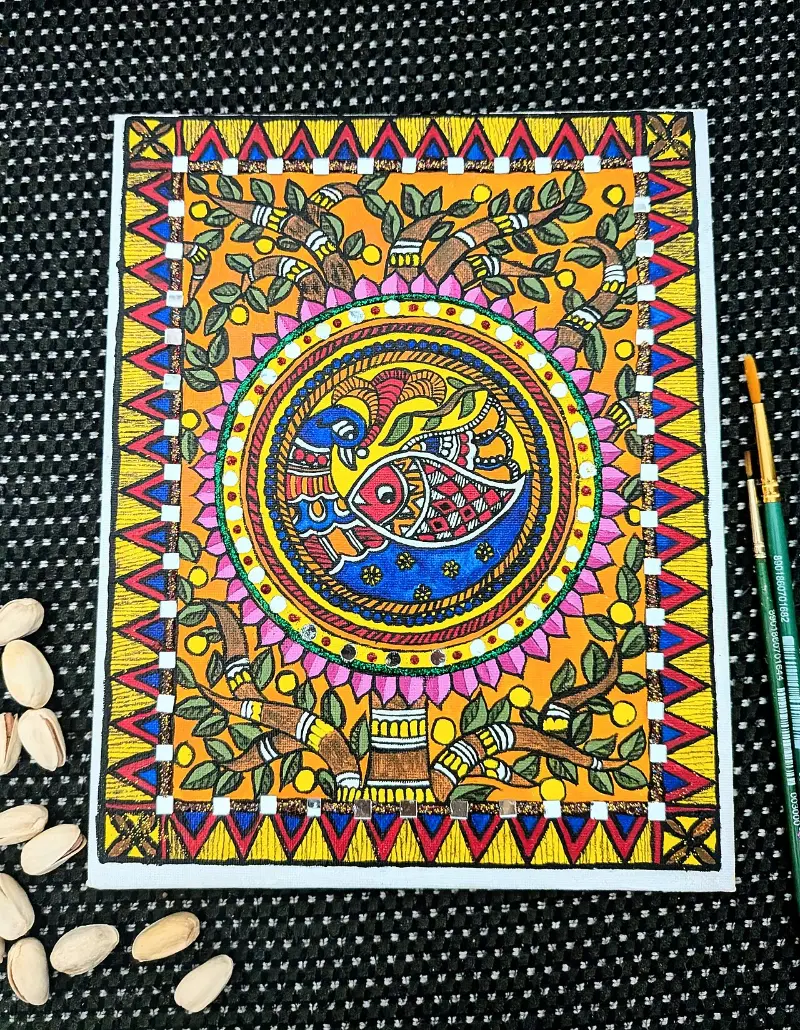
Read more: Maithili Art and Madhubani Painting: Themes, Style and History.
Madhubani art is from Mithila in Bihar and is an expression of patterns. It depicts Hindu deities, nature and mythological themes.
Pattachitra, Odisha and West Bengal
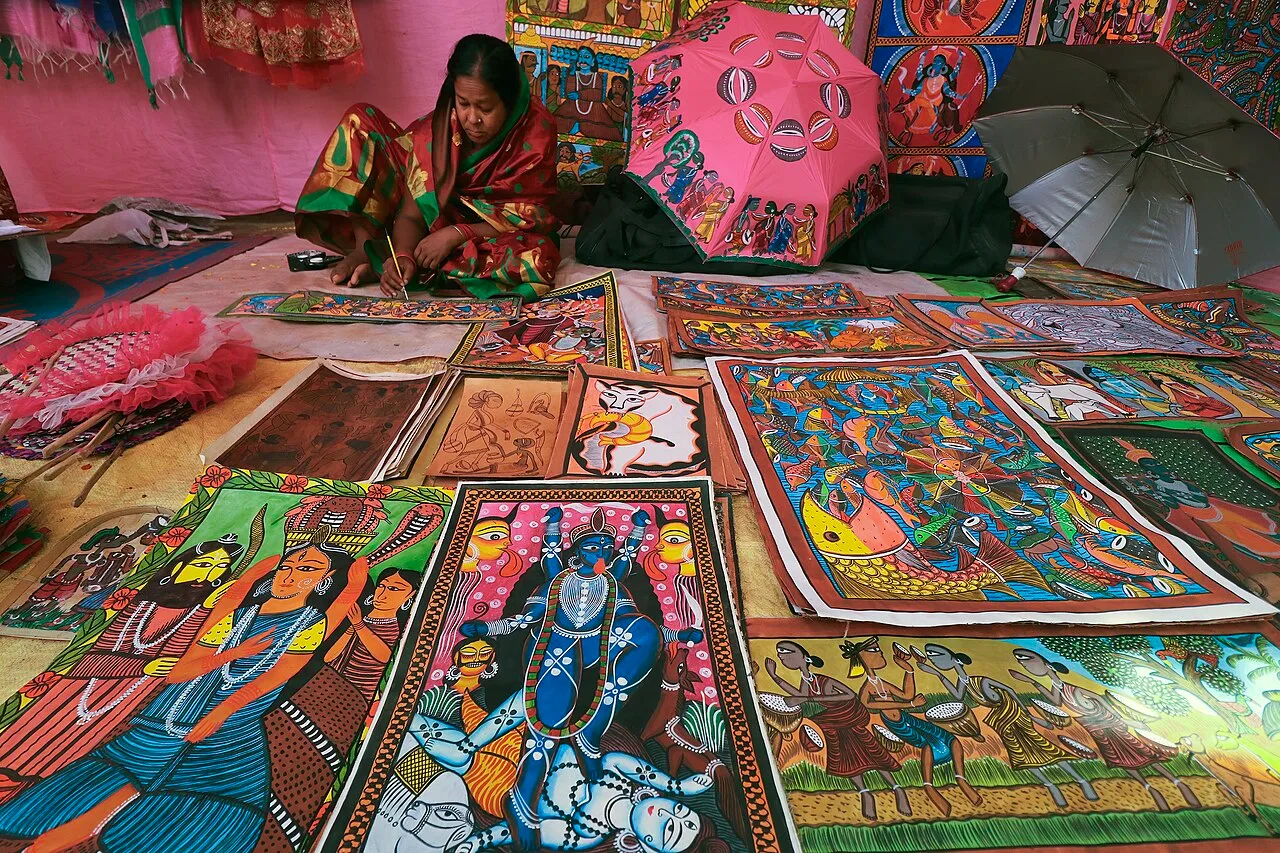
Read more: Bengali Patachitra: Scroll Painting and Song of West Bengal
Pattachitra is a mythological narrative art from Odisha and West Bengal. It is drawn on cloth or dried palm leaf and is known for bright colours and bold lines.
Kalighat painting, West Bengal
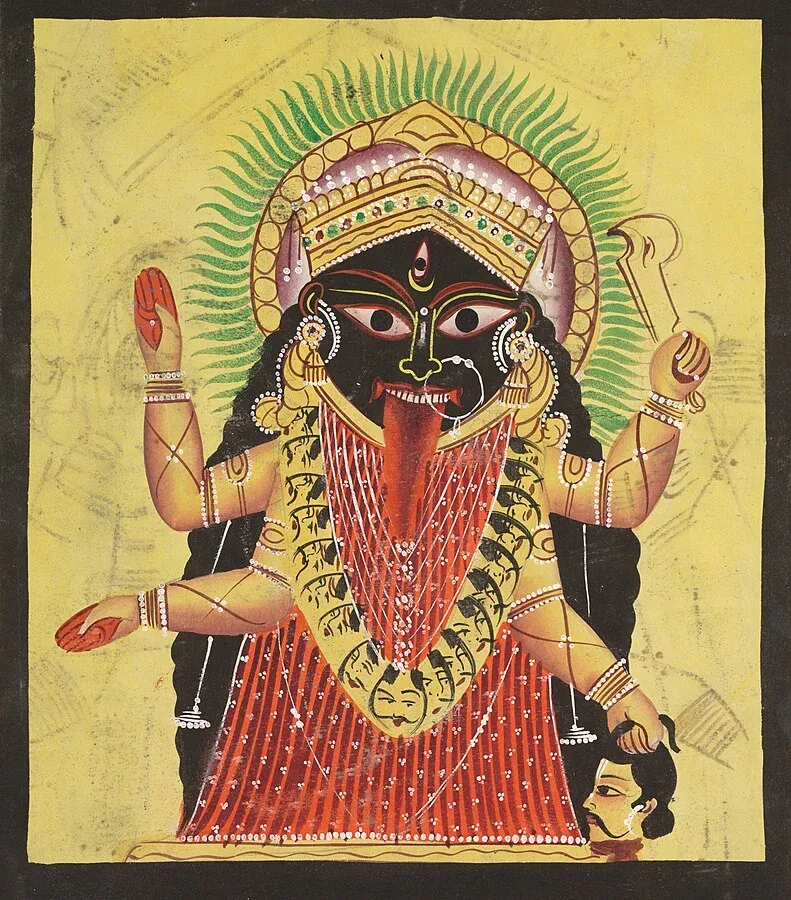
Read more: Kalighat Painting: Bengal’s 19th-Century Temple and Satire Art
Kalighat painting originated in Kolkata, West Bengal, and evolved in the 19th century. It is known for bold, simple and fluid forms, and depicts Hindu gods, goddesses and scenes from everyday life with a touch of satire.
Art forms
Six of the nine unsung arts
- Warli, Maharashtra A tribal art of simple shapes, traditionally painted in white made from rice paste or rice flour on village hut walls.
- Pithora, Gujarat Shows people’s surroundings as they perceive them, with modern elements such as railway tracks and aeroplanes too.
- Gond, Madhya Pradesh From one of India’s largest tribal communities, known for strong colours and patterns.
- Phad, Rajasthan A storytelling art on cloth treated with a paste of rice (or starch) and gum for a smooth, durable surface.
- Madhubani, Bihar From Mithila; an expression of patterns showing Hindu deities, nature and mythological themes.
- Pattachitra, Odisha and West Bengal A mythological narrative art drawn on cloth or dried palm leaf, known for bright colours and bold lines.
How can we keep these art forms alive?
These nine art forms come from different states and communities, from the Warli of Maharashtra to the painters of Kalighat in Kolkata. Each records the stories, beliefs and ways of life its makers have passed down through generations, and the artisans who still practise them are the reason they survive. We can help by learning about these arts, supporting artisans and spreading the word about their work.
Frequently asked questions
What are the nine art forms covered here?
Mandala, Warli, Pithora, Saura, Gond, Phad, Madhubani, Pattachitra and Kalighat painting.
How far back does painting in India go?
Very far. At Bhimbetka, UNESCO says rock paintings run from the Mesolithic period into historic times, and Britannica traces the oldest to the Late Palaeolithic. Ajanta has wall paintings from the 5th–6th centuries CE. Kalighat painting is much newer, from 19th-century Calcutta. Founding dates for most folk arts are not firmly recorded.
What does the word mandala mean?
The word comes from Sanskrit and means circle or centre. A mandala symbolises the universe and is used for meditation, self-discovery and healing.
What is Warli art painted with?
Warli art from Maharashtra is traditionally painted in white made from rice paste or rice flour, though chalk powder or white paint is also used.
Where is Madhubani art from?
Madhubani art is from the Mithila region of Bihar and depicts Hindu deities, nature and mythological themes.
What is Kalighat painting known for?
Kalighat painting from Kolkata evolved in the 19th century and is known for bold, simple, fluid forms and a touch of satire.
Sources and further reading
Rock Shelters of Bhimbetka, UNESCO World Heritage Centre.
Bhimbetka rock shelters, Encyclopaedia Britannica.
Kalighat painting, Encyclopaedia Britannica.
Kali (Kalighat painting), Victoria and Albert Museum.
- Warli painting – Wikipedia (in English)
- Saura painting – Wikipedia (in English)
Image credit (top collage): made from the nine images in this article, each credited below.
Image credit: Mandala art, “Indian mandala artwork” by Nayan Jyoti Nath, via Wikimedia Commons, licensed under CC BY-SA 4.0.
Image credit: Warli art, “Warli painting in Warli” by Joy1963, via Wikimedia Commons, licensed under CC BY-SA 3.0.
Image credit: Pithora art, “Pithora wall painting” by Anilbhardwajnoida, via Wikimedia Commons, licensed under CC BY-SA 3.0.
Image credit: Saura art, “Saura Pattachitra” by Rajeshjena453, via Wikimedia Commons, licensed under CC BY-SA 4.0.
Image credit: Gond art, “Gond Painting” by Roboture, via Wikimedia Commons, licensed under CC BY-SA 3.0.
Image credit: Phad painting, “Pabuji ka phad 02” by Nomu420, via Wikimedia Commons, licensed under CC BY-SA 3.0.
Image credit: Madhubani art, “Madhubani painting by Bhuvana Meenakshi” by Bhuvana Meenakshi, via Wikimedia Commons, licensed under CC BY-SA 3.0.
Image credit: Pattachitra, “Potua” by Simu75, via Wikimedia Commons, licensed under CC BY 4.0.
Image credit: Kalighat painting, “Two Aspects of Kali: Kali Enshrined” (Kalighat painting, 19th century), Cleveland Museum of Art, via Wikimedia Commons, licensed under CC0.