Srinagar – UNESCO creative city for Crafts and Folk Arts
In short: Srinagar, the capital of Jammu and Kashmir, was named a UNESCO Creative City for Crafts and Folk Arts in 2021. It is only the second Indian city in this category, after Jaipur. The city is known for papier-mâché, wood carving, embroidery and carpets, along with folk music and dance.
Srinagar, often called the Venice of the East, is a city of lakes and waterways, gardens and houseboats, mountains and meadows. It has also been a centre of crafts and folk arts for centuries, from papier-mâché and wood carving to embroidery and carpets.
At a glance
Srinagar in brief
- Title UNESCO Creative City for Crafts and Folk Arts
- Joined 2021, as the second Indian city in this category after Jaipur
- Capital of Jammu and Kashmir
- Nickname Venice of the East
- Best-known crafts Papier-mâché, wood carving, embroidery and carpet making
- Folk arts Kashmiri music, Sufiana kalam, and dances like Rouff, Hafiza and Bacha Nagma
How did Srinagar become a UNESCO Creative City?
Srinagar joined the UNESCO Creative Cities Network in 2021 in the Crafts and Folk Art category. The network links cities that use creativity as a base for local life and development. UNESCO’s page for Srinagar describes a city known for its handicrafts and handloom products, and says its arts and crafts tradition has been recognised since the 14th century.
Why the 14th century? UNESCO’s Silk Road material notes that Kashmir sat on trade routes where artisans exchanged techniques, and links the 14th century to a change toward calligraphic, abstract ornament. Later centuries brought more floral designs. Tradition credits a 15th-century ruler, Zayn-ul-Abidin, with bringing weavers from Turkistan to start the region’s shawl industry, though Britannica adds that the first specific written references to Kashmir shawls date from the 16th century.
The designation itself came in 2021. India’s Prime Minister’s Office welcomed it on 8 November 2021, praising the city’s handicrafts and folk traditions. Jaipur had joined the same Crafts and Folk Art category earlier, in 2015, so Srinagar is the second Indian city in it.
A UNESCO title recognises a living tradition and a commitment to support it. It does not set a date for any single craft, and the exact origin of each Srinagar craft, such as papier-mâché, wood carving or embroidery, is not settled in the sources we checked.
Timeline
From old crafts to UNESCO
- 14th century UNESCO says Srinagar’s arts and crafts tradition has been recognised since this time.
- 15th century (tradition) Tradition credits the ruler Zayn-ul-Abidin with bringing weavers from Turkistan to start the shawl industry.
- 16th century Britannica says the first specific written references to Kashmir shawls date from this century.
- 2015 Jaipur joined the UNESCO Crafts and Folk Art category.
- 2021 Srinagar joined the network. India’s Prime Minister’s Office welcomed it on 8 November 2021.
Why is Srinagar a UNESCO Creative City?
Srinagar joined the UNESCO Creative Cities Network in 2021 in the category of Crafts and Folk Arts. In India, only Jaipur (2015) had been recognised in this category before it. The title recognises the city’s crafts and folk arts and a commitment to keep them going.
Which crafts is Srinagar famous for?
Srinagar has a long tradition of crafts, with skills passed down from generation to generation.
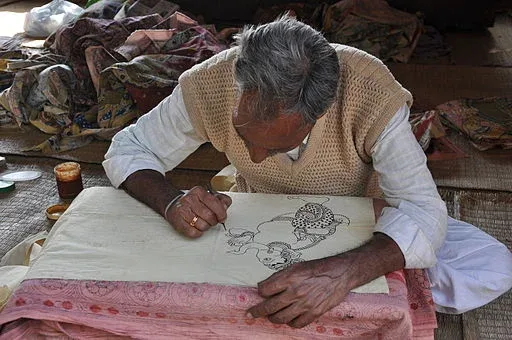
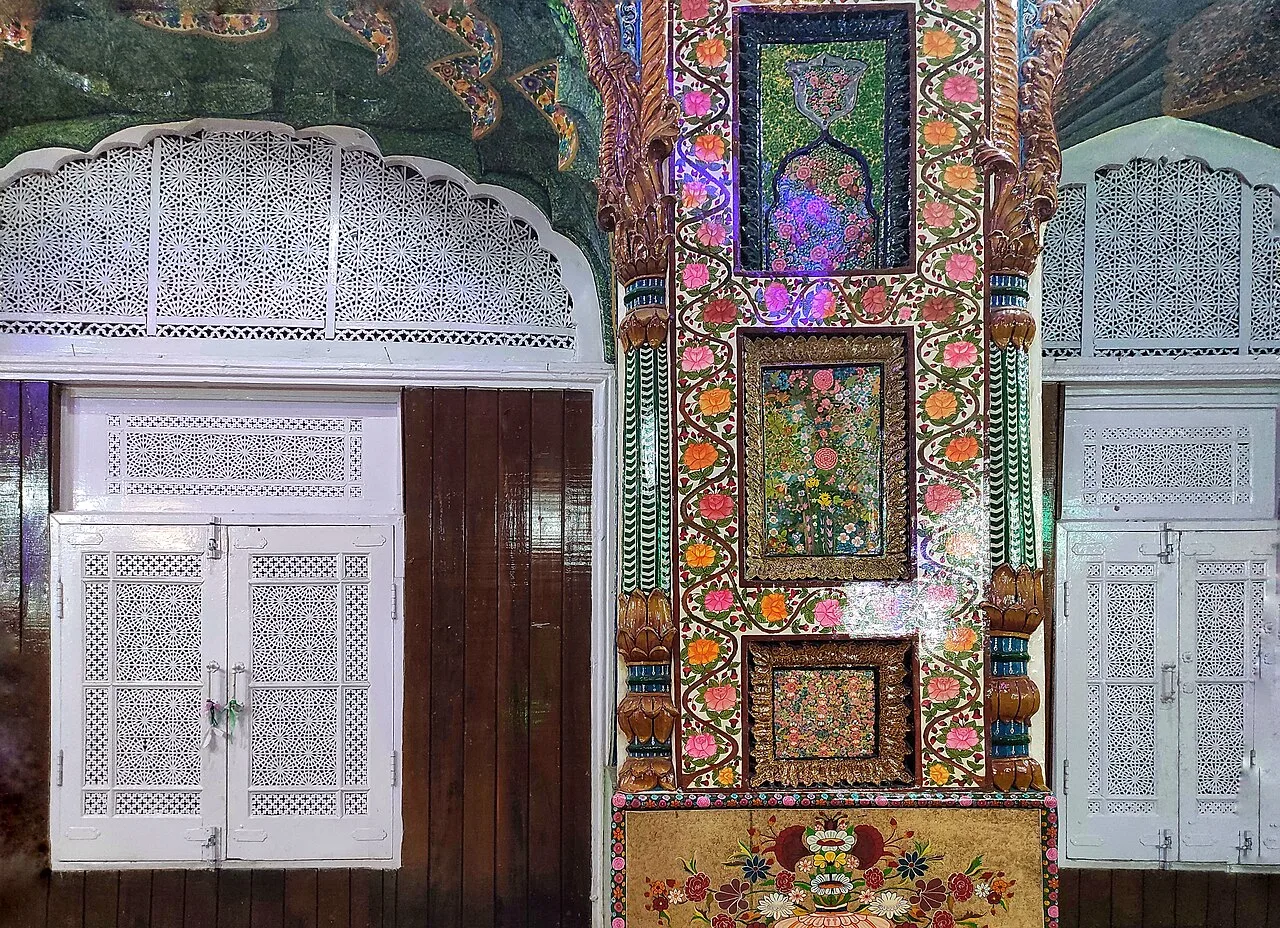
- Papier-mâché: decorative objects made from paper pulp, such as vases, bowls and figurines, painted with natural dyes in bright colours and fine designs.
- Wood carving: woodcarvers use walnut, deodar and chinar to make furniture, doors and decorative items, prized for their detailed carving.
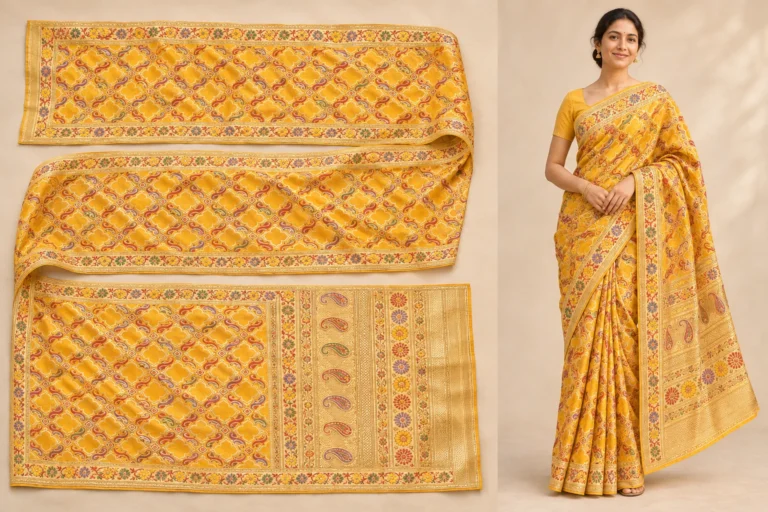
- Embroidery: fine designs worked with techniques such as crewel and chain stitch on shawls, sarees and bedspreads.
- Carpet making: carpets made with traditional techniques and designs, known for their detailed patterns and high quality, and exported to different parts of the world.
Crafts
Four famous crafts of Srinagar
- Papier-mâché Decorative objects from paper pulp, such as vases, bowls and figurines, painted with natural dyes in bright colours.
- Wood carving Woodcarvers use walnut, deodar and chinar to make furniture, doors and decorative items.
- Embroidery Delicate designs worked with techniques such as crewel and chain stitch on shawls, sarees and bedspreads.
- Carpet making Carpets with traditional techniques and designs, exported to different parts of the world.
What folk arts does Srinagar have?
Srinagar’s folk arts are mainly music and dance. Kashmiri music has a distinct sound and style, and the Sufiana kalam, a form of Sufi music, is also popular in the city. Srinagar is also known for traditional dance forms such as Rouff, Hafiza and Bacha Nagma.
Frequently asked questions
How did Srinagar become a UNESCO Creative City?
Srinagar joined the UNESCO Creative Cities Network in 2021 in the Crafts and Folk Art category. UNESCO says the city’s arts and crafts tradition has been recognised since the 14th century. Jaipur joined the same category in 2015. The origin of each individual craft has no firm dates.
Which other Indian city is in the same category?
Jaipur, recognised in 2015, is the other Indian city in the Crafts and Folk Arts category.
When did Srinagar become a UNESCO Creative City?
Srinagar joined the UNESCO Creative Cities Network in 2021, in the Crafts and Folk Arts category.
Which crafts is Srinagar famous for?
Papier-mâché, wood carving, embroidery and carpet making are among its best-known crafts.
What woods do Srinagar woodcarvers use?
They use walnut, deodar and chinar to make furniture, doors and decorative items.
What folk arts are found in Srinagar?
Kashmiri music, Sufiana kalam, and dance forms such as Rouff, Hafiza and Bacha Nagma.
Sources and further reading
Srinagar – Creative Cities Network, UNESCO.
Jaipur – Creative Cities Network, UNESCO.
PM expresses happiness over Srinagar joining UNESCO Creative Cities Network, Press Information Bureau, Government of India.
Kashmir shawl, Encyclopaedia Britannica.
- City of Crafts and Folk Arts – Wikipedia (in English)
- Srinagar: UNESCO Creative Cities Network – Drishti IAS (in English)
Related reading
- Bone Carving in India: History, Process and Craft Centres
- Kumaon Folk Art
- Aipan – Folk art of Kumaon (Uttarakhand)
Image credit: “A wall adorned with traditional Pinjrakari style windows and papier-mâché at the Shrine of Sheikh Hamza Makhdoomi (R.A), Makhdoom Sahib Srinagar” by ThePoeticFrame, via Wikimedia Commons, licensed under CC BY-SA 4.0.