Stories of art, antiques and the cultures that shape them
Painting, sculpture, antiques, artifacts and handicrafts: where they come from, what they mean, and how history, climate and culture shaped them.
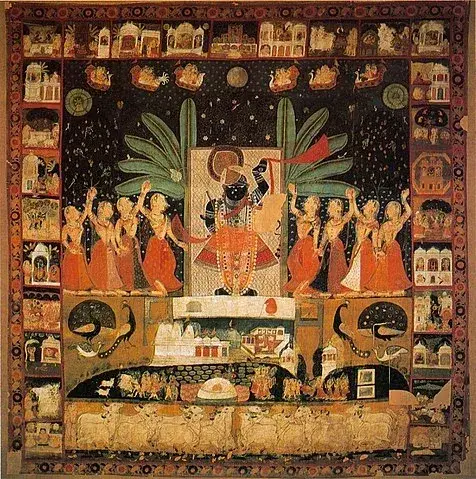 Pichwai paintingRajasthan
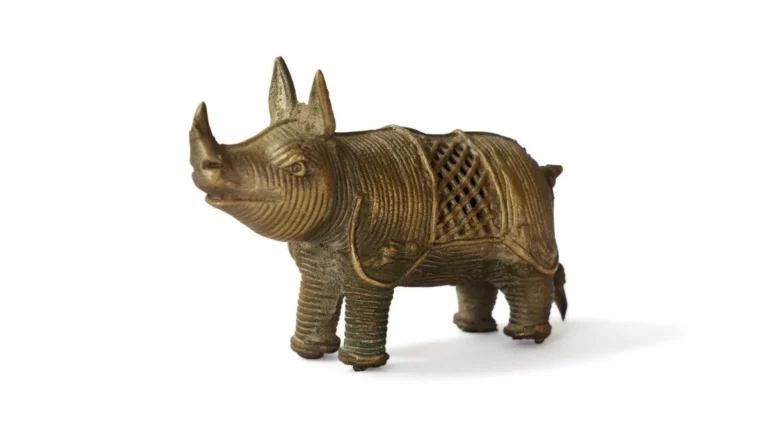
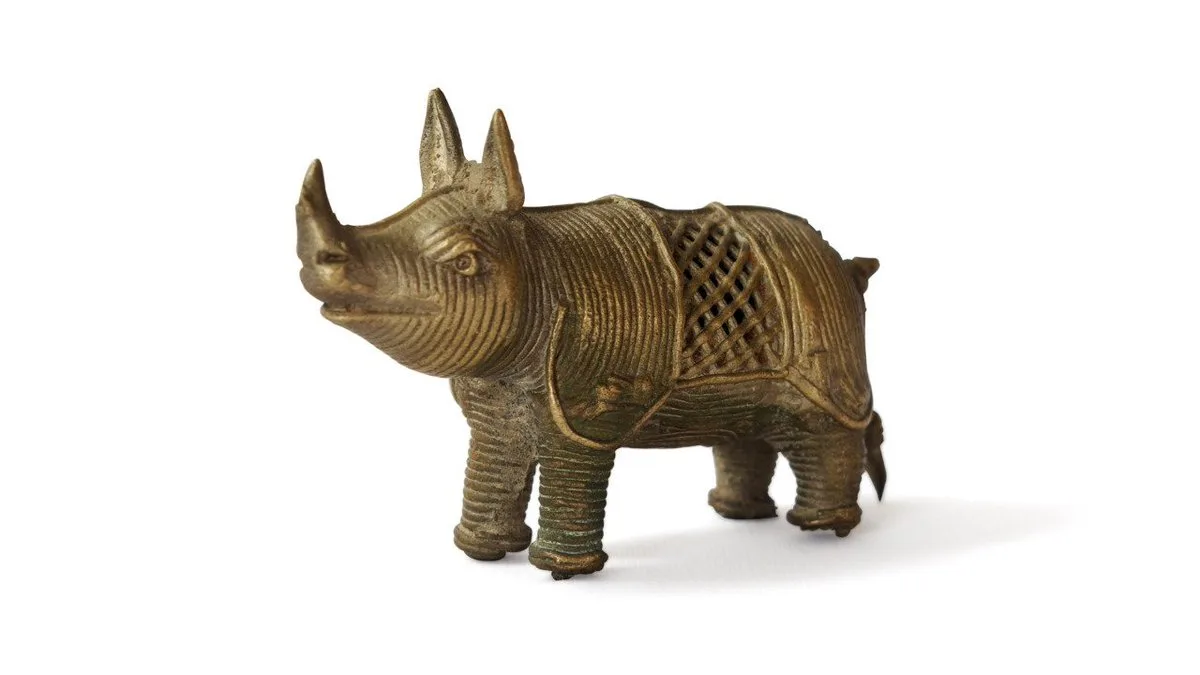
 Dhokra castingEastern and central India
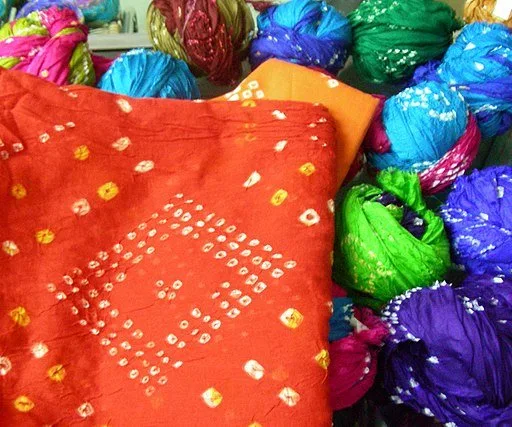
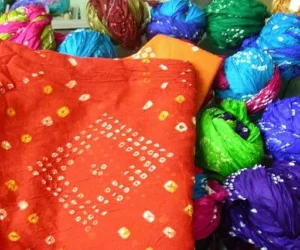 Bandhani tie-dyeGujarat and Rajasthan
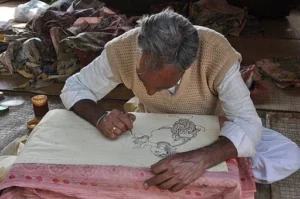 KalamkariAndhra Pradesh
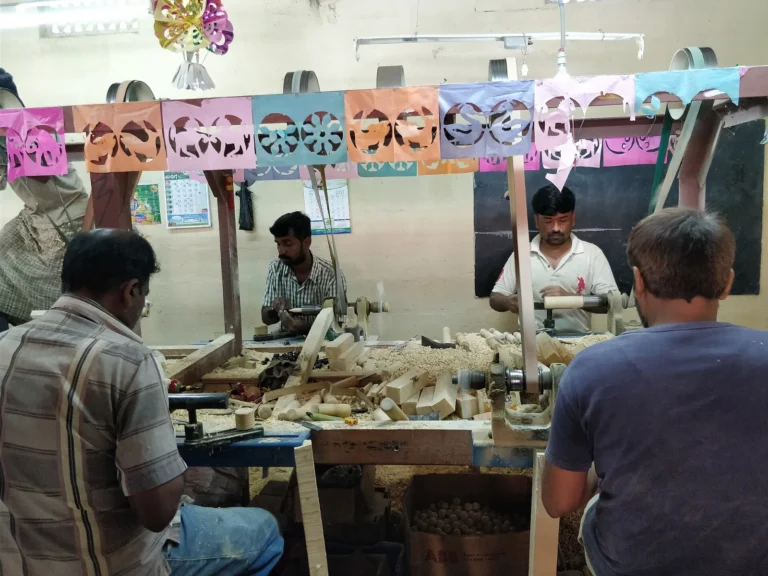
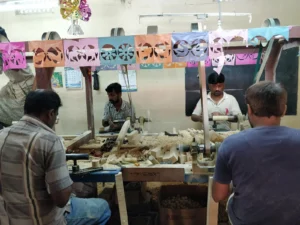 Channapatna toysKarnataka
Did you know? The English word bandanna comes from the Hindi word for tying. In the mid-18th century, tie-dyed silk from Bengal was sold in Britain as ‘bandannoes’. The story of tie and dye
In the art world
12–15 Nov 2026
Art Mumbai returns for its fourth edition
The fair runs at Mahalaxmi Racecourse, Mumbai, with talks and programmes through the weekend.
Until 22 Nov 2026
India’s Venice Biennale pavilion enters its final weeks
“Geographies of Distance: Remembering Home”, India’s first national pavilion in Venice in seven years, shows Alwar Balasubramaniam, Sumakshi Singh, Ranjani Shettar, Asim Waqif and Skarma Sonam Tashi at the Arsenale.
Sep 2026
Record price for Gond artist Jangarh Singh Shyam
An untitled painting by the late Gond artist sold at Pundole for a record ₹18 crore hammer price (about $2.15m with premium), a landmark for Indian tribal art.
Sep 2026
Saffronart’s autumn sales total ₹250.58 crore
F N Souza’s “Hanuman the Monkey God” (1965) was a top lot at ₹15.60 crore.
Apr 2026
Raja Ravi Varma sets the record for an Indian painting
“Yashoda and Krishna” sold for $17.9m with fees at Saffronart, Mumbai, overtaking M F Husain’s “Gram Yatra”.
4–7 Feb 2027
Save the date: India Art Fair, Delhi
The next edition of India’s biggest art fair is set for February 2027.
Latest stories

Block Printing, Batik and Resist Printing: India, Indonesia and Beyond
TL;DR: Many textile traditions pattern cloth by blocking dye with wax, paste or mud before dyeing. India has hand block…
Madhubani and Its Cousins: Folk Painting Traditions Around the World
TL;DR: Madhubani, or Mithila painting, began as wall art made by women in homes in northern Bihar. Two other well-documented…
Lost-Wax Casting Around the World: Dhokra, Chola, Benin and Greek Bronzes
TL;DR: Lost-wax casting means shaping a wax model, covering it in clay, melting the wax out and pouring metal into…
Bandhani and Shibori: India’s and Japan’s Tie-Dye Traditions Compared
TL;DR: Bandhani, a tie-dye from Gujarat and Rajasthan, and shibori, the Japanese family of resist-dye methods, both keep dye away…
Old or Made to Look Old? Spotting Fake Ageing in Antiques
TL;DR: Fake ageing usually shows up as wear and dirt that look the same everywhere, instead of building up where…
Is It Real Silver? Purity Grades and Hallmarks Explained
TL;DR: Silver is graded by fineness, the parts of silver per thousand, so 925 means 92.5 percent silver (sterling) and…
Art and culture: how place shapes art
Art doesn’t appear out of nowhere. The clay, metal, colours and stories in a craft come from its land, its climate and its history. This series looks at that connection.
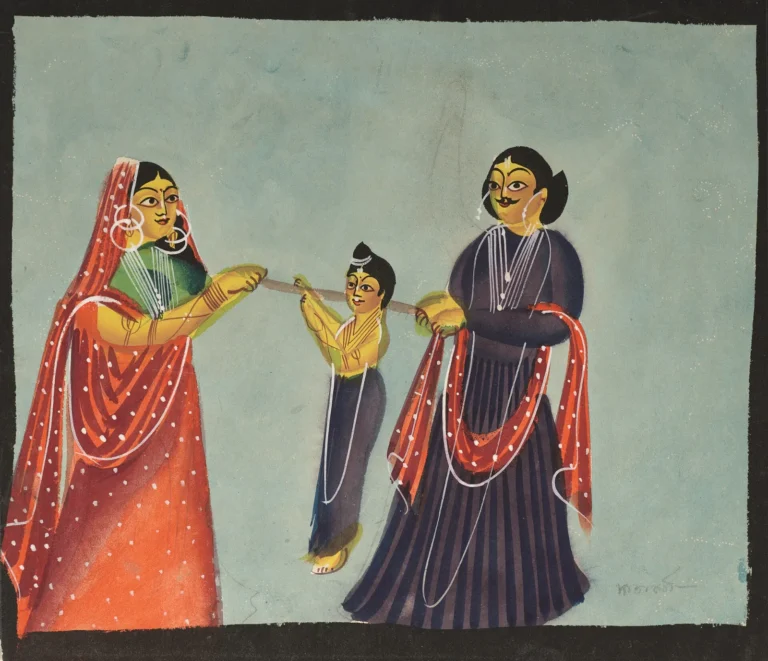
- Kalighat painting: how a temple neighbourhood in 19th-century Calcutta created a bold new style
- Dhokra: the 4,000-year-old lost-wax metal casting of India’s tribal communities
- Sohrai and Khovar: harvest and wedding wall art from Jharkhand
- GI tags: why a craft’s place of origin is protected by law
Free art calculators
Estimate what a painting might be worth, or check an old coin’s density to help spot a fake.
Get new stories by email
One email when we publish something new on art, antiques and heritage. No spam.
Image credits
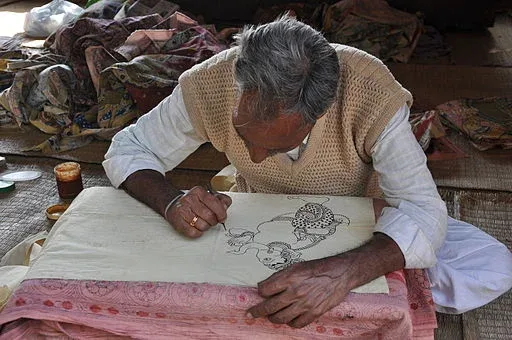
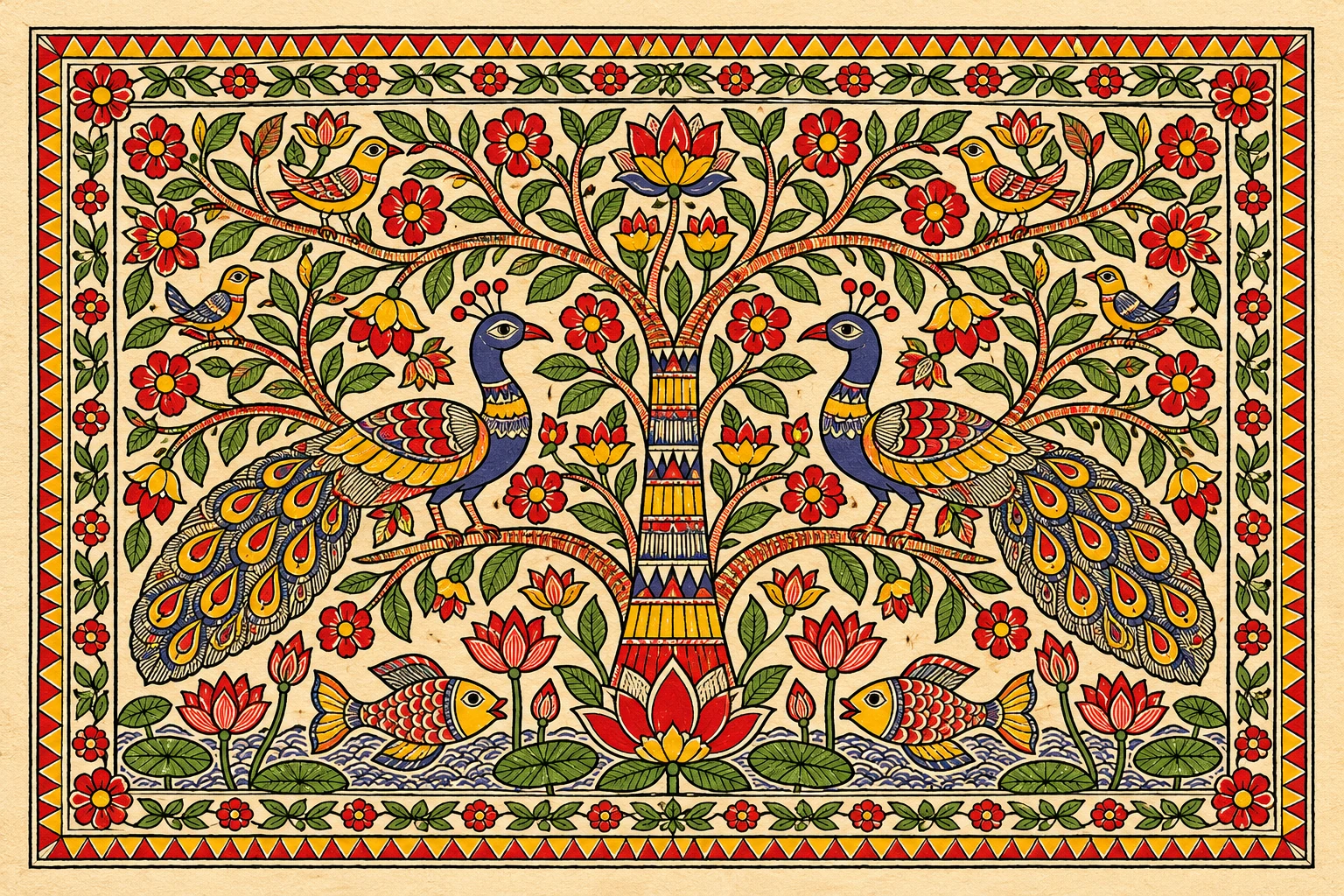
Top of the page: Pichwai painting: Krishna with Dancing Gopis, Pichhavai from the Temple of Nathdwara, Staatliche Museen, Berlin. Public domain; Dhokra casting: “A Dhokra figurine made by a Dharua tribe” by Government of Odisha, via Wikimedia Commons, licensed under CC BY 4.0; Bandhani tie-dye: “Bandhani (2150279080)” by tommy, via Wikimedia Commons, under the Creative Commons Attribution-Share Alike 2.0 Generic licence; Kalamkari: “Kalamkari painting” by Anilbhardwajnoida, via Wikimedia Commons, under the Creative Commons Attribution-Share Alike 3.0 Unported licence; Channapatna toys: “Channapatna toys artists” by KartikMistry, via Wikimedia Commons, CC BY-SA 3.0.
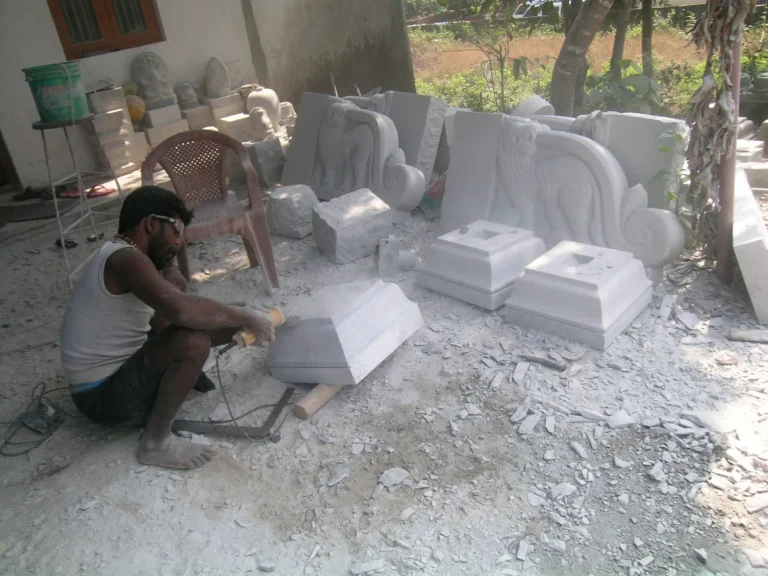
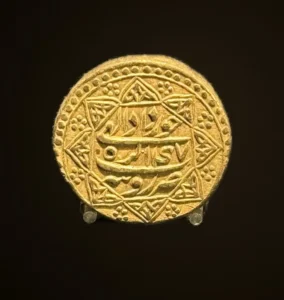
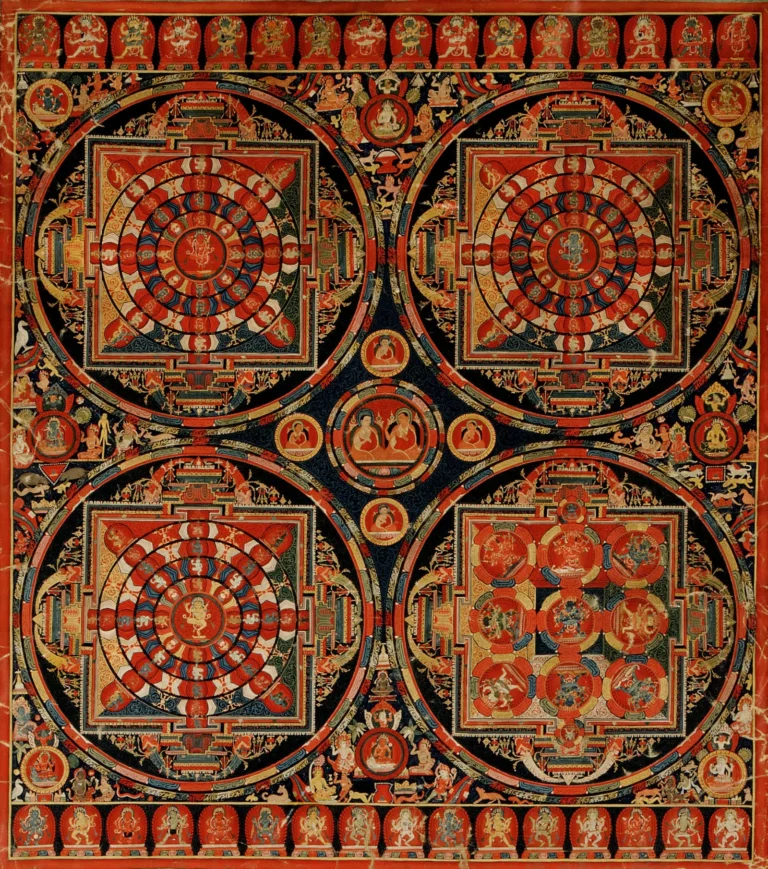
Categories: Paintings: “Kalighat Painting, 2003.124” by Cleveland Museum of Art (anonymous artist), CC0; Sculpture: “Stone carver at Sanoor” by Prabhu.sanoor, CC BY-SA 3.0; Antique: “Silver Rupee of Mughal Emperor Akbar” by SpeakingArch, CC BY-SA 4.0; Artifact: “A Dhokra figurine made by a Dharua tribe” by Government of Odisha, CC BY 4.0; Handicraft: “Channapatna toys artists” by KartikMistry, CC BY-SA 3.0; Collectible: “Four Mandala Vajravali Thangka” by Unknown artist, public domain (all via Wikimedia Commons).