Guernica by Pablo Picasso: Unraveling the Depths of a Masterpiece
TL;DR: Guernica is Pablo Picasso’s 1937 mural-sized painting, made in response to the bombing of the Basque town of Guernica during the Spanish Civil War. Painted only in black, white and grey, it shows terrified people and animals in a fractured composition. It is widely seen as one of the most powerful anti-war statements in art.
Pablo Picasso, the Spanish artist and one of the best-known painters of all time, created “Guernica”, a masterpiece that transcends time and place. Painted in response to the horrors of the Spanish Civil War, it is a powerful picture of the brutality of war and the suffering it causes. Here we look at its history, its composition and its meaning.
What is the historical context of Guernica?
“Guernica” was created in 1937, a time of intense political turmoil in Spain. The Spanish Civil War was raging, and on 26 April 1937 the Basque town of Guernica was bombed by Nazi German and Italian Fascist aircraft, at the request of Spanish Nationalist forces. The bombing caused great destruction and loss of life, and estimates of the number of casualties vary widely.
Picasso, deeply affected by the news, channelled his outrage and grief into his art. The result was a mural-sized painting made for the Spanish Republic’s pavilion at the 1937 Paris International Exposition, which became one of the most powerful anti-war statements in the history of art.
What does the composition look like?
“Guernica” is a complex, emotionally charged work, painted in shades of black, white and grey. Its composition is jumbled and fractured, with distorted human and animal forms. In the middle, a terrified horse is falling in agony, while a bull, often seen as a symbol of Spain, also appears distressed.
The human figures are contorted and anguished, with gaping mouths and distorted limbs. A mother holds her lifeless child and a fallen soldier lies broken. The chaos and fragmentation of the picture reflect the chaos and horror of war itself.
What do the symbols in Guernica mean?
“Guernica” is rich in symbolism and open to interpretation, and critics have read it in many different, sometimes conflicting, ways. Some of the elements most often discussed are:
- The lamp: held by a woman at the window, often read as a sign of hope amid darkness.
- The eye-shaped light: a bare bulb shaped like an eye above the horse, which suggests watching and accountability.
- The broken sword: held by the fallen soldier, with a flower growing from it, often read as the futility of violence.
- The flames: evoke destruction and suffering.
Why does Guernica still matter?
One of the most haunting things about “Guernica” is how it conveys the universality of human suffering. Although it responded to a specific event, its themes of violence, suffering and the human condition speak to people around the world.
Picasso’s “Guernica” is not just a painting. It is a powerful testament to the horrors of war and a reminder of the consequences of violence, and a call for peace and compassion. It shows the capacity of art to provoke thought and bear witness to the world’s most profound moments.
Sources and further reading
- Guernica (Picasso) (Wikipedia)
- Bombing of Guernica (Wikipedia)
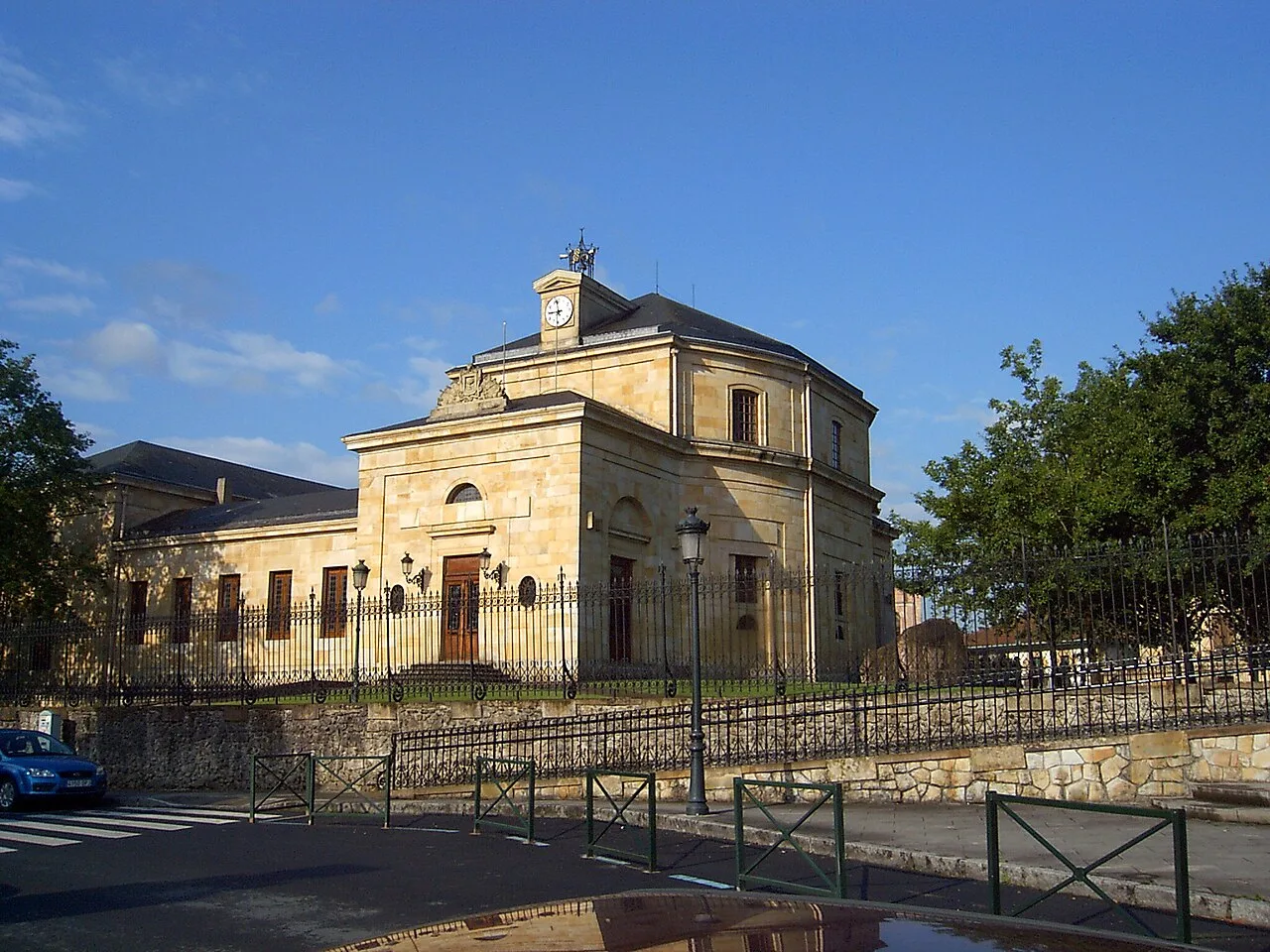
- Image credit: “Gernika batzar nagusiak1” by Telle, via Wikimedia Commons, licensed under CC BY-SA 3.0.
Frequently asked questions
Who painted Guernica and when?
Pablo Picasso painted it in 1937, in response to the bombing of the Basque town of Guernica during the Spanish Civil War.
What does Guernica show?
A jumbled, fractured scene of distorted people and animals in agony, including a horse, a bull, a mother holding her dead child and a fallen soldier.
Why is Guernica painted in black, white and grey?
The painting is monochromatic, in shades of black, white and grey. This gives it a stark look that suits its grim subject.
What do the symbols in Guernica mean?
They are open to interpretation. The lamp is often read as hope, the eye as watching and accountability, the broken sword as the futility of violence and the flames as destruction.
Why is Guernica considered an anti-war painting?
Because it shows the brutality of war and the suffering it inflicts on ordinary people, and it speaks to violence and the human condition everywhere.