India’s Timeless Heritage: Most Precious and Oldest Museums
TL;DR: India’s oldest museums, such as the Indian Museum in Kolkata (1814) and the Government Museum in Chennai (1851), preserve centuries of art, archaeology and history. This guide takes you through nine of the country’s most important museums and what makes each one special.
“The best introduction to art is to stroll through a museum. The more art you see, the more you’ll learn to define your own taste.” – Jeanne Frank
India is a land steeped in centuries of history, tradition and art, and its museums hold a treasure trove of artefacts that tell the story of its past. While modernity has spread through its cities, the oldest museums stand as guardians of heritage, linking the past with the present. Join me on a journey through some of the most precious and historic museums of India.
Which are the oldest and most precious museums in India?
Here are nine museums that every lover of art and history should know, roughly in order of their founding.
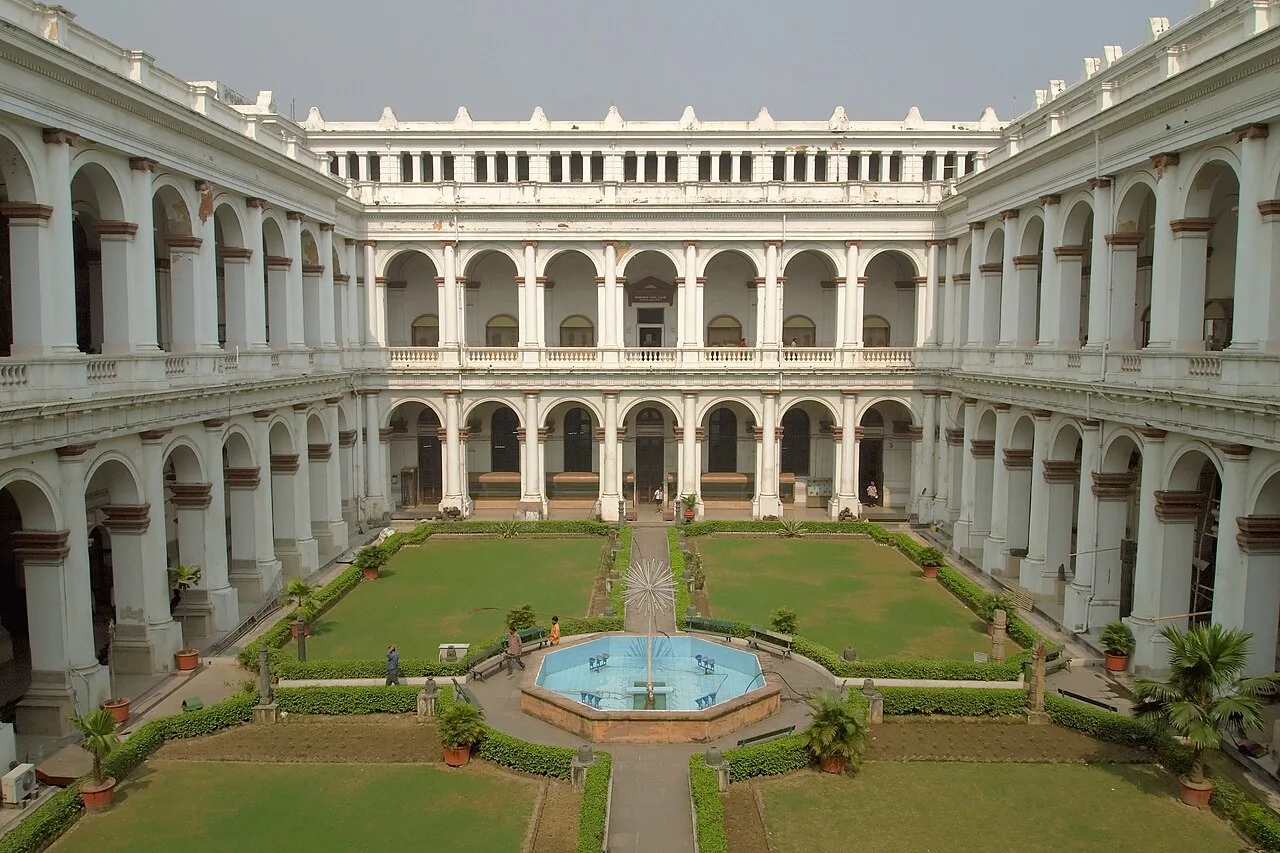
The Indian Museum, Kolkata (1814)
Dating back to 1814, the Indian Museum in Kolkata is the oldest museum in India and one of the biggest. Its galleries hold fossils, ancient sculptures and artefacts that speak of dynasties, empires and the early history of Buddhism. Visitors can see Ashokan-era pillar capitals, and an Egyptian mummy that carries you to another ancient world. It is not just a repository of objects; it is a record of human achievement and spirituality.
Government Museum, Chennai (1851)
Established in 1851, this is India’s second-oldest museum and reflects the rich heritage of South India. It has extensive archaeological finds and a large collection of bronzes, especially Chola bronzes, which show divine artistry at its best. Its natural history section is equally interesting, reminding visitors of the role nature plays in India’s folklore and spirituality.
Napier Museum, Thiruvananthapuram (1880)
Opened to the public in 1880, the Napier Museum is an architectural marvel in the Indo-Saracenic style, with a Gothic-style roof and minarets. It is known for showcasing the art and culture of Kerala, from bronze idols to ancient ornaments that mirror the opulence of bygone eras. The museum embodies the spirit of the region, where myth and reality blur into one experience.
Albert Hall Museum, Jaipur (1887)
In the Pink City stands the Albert Hall Museum, opened in 1887 and an epitome of Indo-Saracenic architecture. Inside, traditional Rajasthani art, intricate jewellery and a range of textiles transport you to a world where every stitch and stone has a story to tell. The museum’s prized Egyptian mummy continues to capture the imagination, linking India’s history with ancient civilisations elsewhere.
Victoria Memorial Hall, Kolkata (1921)
Completed in 1921, the Victoria Memorial Hall is a monument to the era of the British Raj. Its grand marble architecture combines Mughal and British influences and is an artwork in itself. Inside, British-era paintings, manuscripts and photographs unfold the story of colonial India, with its triumphs and tribulations. The collection is a bridge between the Western narrative and the Indian spirit.
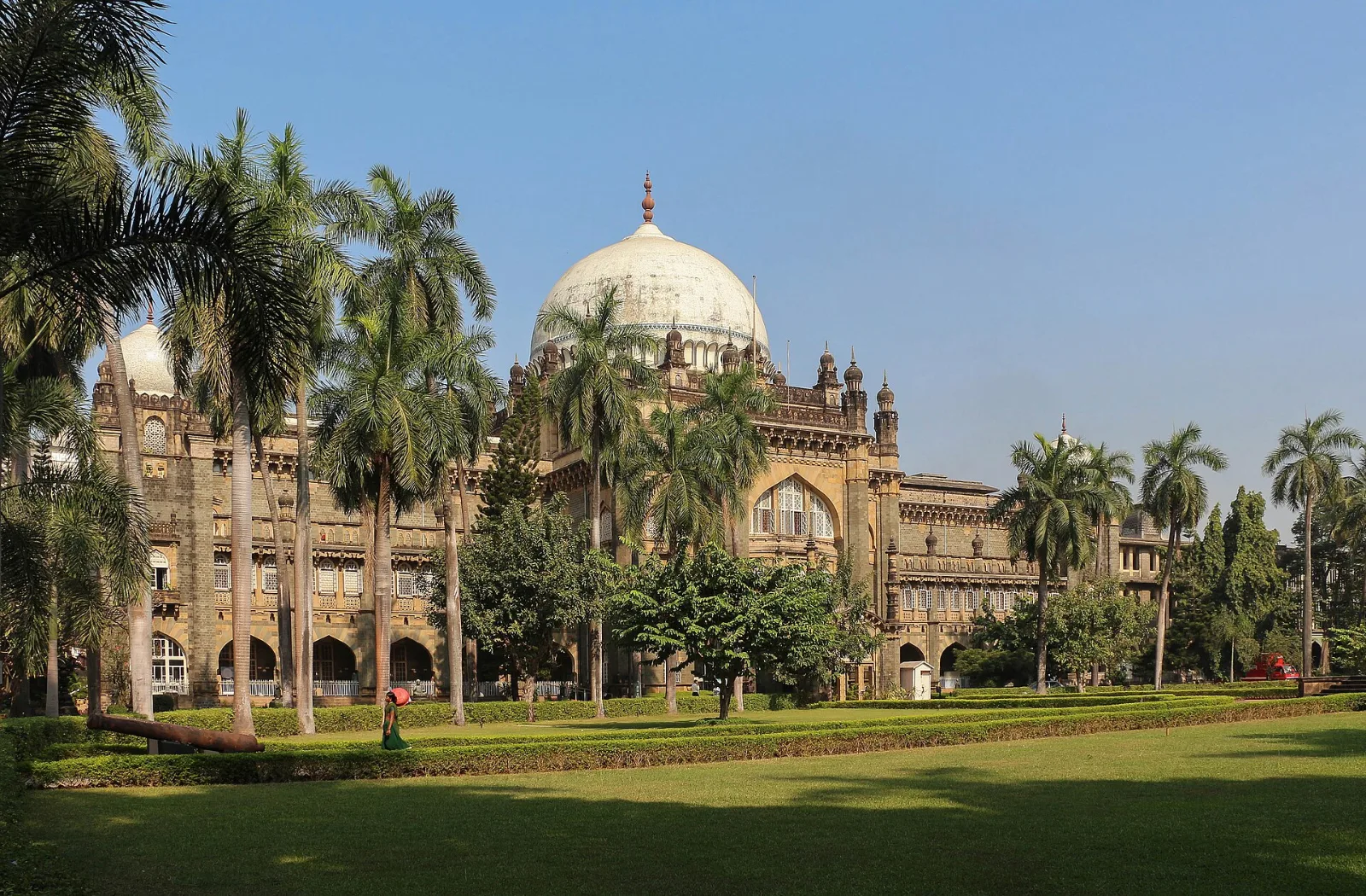
Chhatrapati Shivaji Maharaj Vastu Sangrahalaya, Mumbai (1922)
Formerly known as the Prince of Wales Museum, this architectural marvel opened its doors in 1922 and honours both Indian and Western artistry. Its galleries are lined with relics from the Gupta and Maurya periods, along with Tibetan and Nepali art that carry a deep spiritual feeling. The collection is both a celebration of regional history and a nod to Mumbai’s cosmopolitan character.
National Museum, New Delhi (1949)
Situated in the heart of the capital, the National Museum shows the artistic and cultural evolution of the country. Established in 1949, it preserves artefacts that span about 5,000 years. Chola-period bronze sculptures and miniature paintings that capture scenes of courtly life draw you into a world of intricate detail and storytelling. Each piece narrates a story of devotion, valour or romance, making it a pilgrimage for art and history lovers.
Salar Jung Museum, Hyderabad (1951)
Established in 1951, the Salar Jung Museum holds the legacy of Nawab Mir Yousuf Ali Khan, Salar Jung III. His passion for collecting gave us a vast museum with everything from European oil paintings to Persian carpets and antique clocks. One of the most fascinating exhibits is the sculpture “Veiled Rebecca”, an Italian marble masterpiece with a delicately carved veil. The eclectic collection is a window into the art and culture of both East and West.
Why does it matter to preserve these museums?
India’s oldest and most precious museums are more than buildings; they are living witnesses to the tides of history, creativity and resilience. They inspire us with the grandeur of their collections and with the stories they safeguard for future generations. Each museum is a chapter in the epic tale of India, reminding us that while we march into the future, we stand on the shoulders of our past. Visit them not just to see, but to feel India’s legacy come alive.
Sources and further reading
- Indian Museum, Kolkata – Wikipedia (in English)
- Government Museum, Chennai – Wikipedia (in English)
- Image credit: “Prince of Wales Museum, Mumbai 01” by Bernard Gagnon, via Wikimedia Commons, licensed under CC BY-SA 4.0.
Image credit: “Indian Museum, Courtyard, Kolkata, India” by Vyacheslav Argenberg, via Wikimedia Commons, licensed under CC BY 4.0.
Frequently asked questions
Which is the oldest museum in India?
The Indian Museum in Kolkata, which dates back to 1814, is the oldest museum in India.
Which museum is the second oldest in India?
The Government Museum in Chennai, established in 1851, is India’s second-oldest museum.
Which museum in India has an Egyptian mummy?
The article mentions the Indian Museum in Kolkata and the Albert Hall Museum in Jaipur as museums with an Egyptian mummy.
What can you see at the Salar Jung Museum?
European oil paintings, Persian carpets, antique clocks and the Italian marble sculpture “Veiled Rebecca”, all collected by Salar Jung III.
Which museums showcase Indo-Saracenic architecture?
The Albert Hall Museum in Jaipur and the Napier Museum in Thiruvananthapuram are the examples described here, and the Victoria Memorial Hall in Kolkata also blends Mughal and British styles.