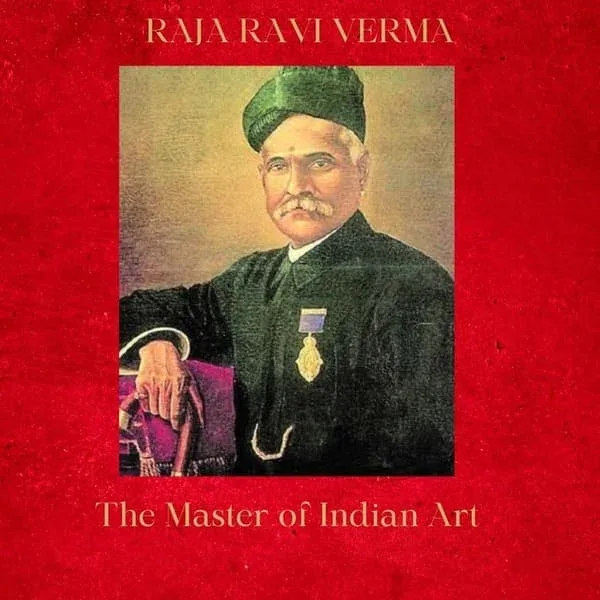
Raja Ravi Varma: The Master of Indian Art
TL;DR: Raja Ravi Varma (1848 to 1906) was a Travancore-born painter who blended Indian themes with Western oil-painting techniques and realism. He painted Hindu mythology, history and everyday life, and used lithography to put affordable prints of his work in front of ordinary people. His paintings are still admired in galleries and museums, and he remains an iconic figure in Indian art.
Few names in Indian art are as well known as Raja Ravi Varma. His paintings brought mythological stories and graceful figures to life with a realism that was new to Indian art. This article looks at his early life, his style, his prints and his legacy.
Who was Raja Ravi Varma?
Raja Ravi Varma was born on 29 April 1848 in Kilimanoor, in the princely state of Travancore (present-day Kerala), and was a member of the Kilimanoor royal family. He showed an early liking for art.
He learned the basics of painting in Madurai. Watercolour was taught to him by the court painter Ramaswamy Naidu, and oil painting by the British portraitist Theodore Jensen. Oil painting, perspective and realistic portrayal were relatively new to the Indian art scene at the time.
How did he blend tradition and modernity?
His genius lay in bringing together India’s rich cultural traditions and the techniques he learned from the West. His works often show scenes from Hindu mythology, Indian history and daily life, with a level of realism that was unprecedented in Indian art. He was particularly known for portraying Indian women as graceful, idealised figures.
One of his well-known paintings is “Hamsa Damayanti” (also known as “Damayanti Talking to a Swan”), which shows a story from the Mahabharata. It is a fine example of how he captured emotion and told a story through a painting.
How did he make art accessible to everyone?
Ravi Varma worked to make art accessible to the masses. He was a pioneer in using lithography to reproduce his paintings, which made them affordable and widely available. To do this he founded a lithographic press in Ghatkopar, Mumbai, in 1894. This helped popularise Indian art and brought it to a much wider audience.
What is his legacy?
Raja Ravi Varma’s impact on Indian art and culture is hard to overstate. His paintings continue to be admired for their beauty, depth and the cultural stories they tell. Many of his works are held in galleries and museums, such as the Laxmi Vilas Palace in Vadodara, and his influence can still be seen in contemporary Indian art.
In conclusion, his journey is a remarkable tale of blending tradition and modernity to create an enduring artistic legacy, and he remains an iconic figure in the history of Indian art.
Sources and further reading
Frequently asked questions
When and where was Raja Ravi Varma born?
He was born on 29 April 1848 in Kilimanoor, in the princely state of Travancore, present-day Kerala.
What was special about his painting style?
He combined Indian themes with Western techniques such as oil painting and perspective, and painted with a realism that was new to Indian art.
What did he usually paint?
Scenes from Hindu mythology, Indian history and daily life. He was especially known for his portrayal of Indian women.
How did he make art affordable?
He was a pioneer of lithography. He reproduced his paintings as prints, which made them affordable and widely available.
Where can his paintings be seen today?
His works are found in galleries and museums in India and elsewhere, including the Laxmi Vilas Palace in Vadodara.